In today’s digital-first world, data is king. But what happens when disaster strikes? With Azure Backup Disaster Recovery, you’re not just protecting data—you’re securing your business’s future with unmatched resilience and peace of mind.
Understanding Azure Backup Disaster Recovery: The Foundation of Modern Data Protection

Azure Backup Disaster Recovery is not just another cloud service—it’s a comprehensive strategy designed to protect your critical data and ensure business continuity in the face of unexpected outages, cyberattacks, or system failures. Microsoft Azure has positioned itself as a leader in cloud infrastructure, and its integrated backup and disaster recovery solutions reflect that dominance. By combining automated backups, geo-redundant storage, and rapid recovery capabilities, Azure provides organizations with a robust safety net.



What Is Azure Backup?
Azure Backup is a cloud-based service that enables organizations to back up and restore data across various workloads, including virtual machines, on-premises servers, databases, and file shares. It eliminates the need for traditional tape-based systems and reduces dependency on physical infrastructure. Instead, backups are stored securely in Azure Recovery Services vaults, which offer encryption at rest and in transit.
One of the key strengths of Azure Backup is its flexibility. You can back up data from Azure VMs, on-premises environments using the Microsoft Azure Backup Server (MABS), or even within hybrid setups. This makes it ideal for enterprises undergoing digital transformation or those maintaining legacy systems alongside cloud-native applications.
- Supports multiple data sources: Azure VMs, on-premises servers, SQL Server, SAP HANA, and more.
- Automated scheduling and retention policies reduce manual intervention.
- Backups are encrypted using AES-256 encryption, ensuring compliance with global standards like GDPR and HIPAA.
For detailed technical specifications, visit the official Azure Backup documentation.
What Is Azure Site Recovery?
While Azure Backup focuses on data protection through point-in-time snapshots, Azure Site Recovery (ASR) takes disaster recovery to the next level by enabling full workload replication. ASR ensures that entire virtual machines or physical servers can be failed over to Azure in the event of a site outage. This means minimal downtime and rapid recovery—often within minutes.
ASR works by continuously replicating VMs from on-premises data centers or other cloud platforms into Azure. In the event of a disaster, you can initiate a failover, redirect users to the replicated environment in Azure, and maintain operations seamlessly. Once the primary site is restored, you can perform a failback with minimal data loss.
Azure Backup Disaster Recovery – Azure Backup Disaster Recovery menjadi aspek penting yang dibahas di sini.
“Azure Site Recovery isn’t just about recovering data—it’s about recovering business operations.” — Microsoft Azure Documentation
ASR supports a wide range of scenarios, including VMware to Azure, Hyper-V to Azure, physical servers to Azure, and even Azure-to-Azure replication. This versatility makes it one of the most powerful tools in the Azure ecosystem for enterprise-grade disaster recovery planning.
How Azure Backup and Site Recovery Work Together
Although often discussed separately, Azure Backup and Azure Site Recovery are complementary components of a holistic Azure Backup Disaster Recovery strategy. Think of Azure Backup as your safety net for data—ideal for recovering individual files, databases, or VMs to a specific point in time. Azure Site Recovery, on the other hand, is your emergency relocation plan—designed to keep entire applications and services running during a major outage.
For example, if a ransomware attack encrypts your on-premises file server, Azure Backup allows you to restore clean copies of files from a previous backup. However, if the entire data center goes offline due to a natural disaster, Azure Site Recovery enables you to switch operations to Azure with minimal disruption.
Organizations that implement both services gain layered protection: granular recovery options from backups and full-scale failover capabilities from replication. This dual-layer approach is increasingly becoming the gold standard for modern IT resilience.
Key Benefits of Azure Backup Disaster Recovery
Adopting Azure Backup Disaster Recovery offers a wide array of advantages that go beyond simple data protection. From cost savings to regulatory compliance, the benefits are both operational and strategic. Let’s explore the most impactful ones.
Cost Efficiency and Reduced TCO
Traditional disaster recovery setups require significant capital investment—secondary data centers, redundant hardware, dedicated networking, and ongoing maintenance. These costs can be prohibitive, especially for small and medium-sized businesses.
Azure Backup Disaster Recovery eliminates the need for physical DR sites by leveraging the cloud. You pay only for the storage and compute resources you use, with no upfront hardware costs. Additionally, Azure’s pay-as-you-go model allows you to scale up or down based on demand, making it highly cost-effective.
Azure Backup Disaster Recovery – Azure Backup Disaster Recovery menjadi aspek penting yang dibahas di sini.
According to Microsoft, organizations using Azure for disaster recovery can reduce their total cost of ownership (TCO) by up to 50% compared to on-premises solutions. This is particularly true when considering reduced staffing needs, lower energy consumption, and minimized downtime costs.
- No need for secondary data centers.
- Pay only for consumed resources (storage, bandwidth, compute).
- Automatic scaling eliminates over-provisioning.
Learn more about Azure pricing models at Azure Backup Pricing.
Enhanced Data Security and Compliance
Data breaches and regulatory violations can be catastrophic for any organization. Azure Backup Disaster Recovery helps mitigate these risks by providing enterprise-grade security features built into the platform.
All data backed up to Azure is encrypted using industry-standard protocols. You can manage encryption keys via Azure Key Vault, giving you full control over access. Role-Based Access Control (RBAC) ensures that only authorized personnel can initiate backups or restore operations.
Moreover, Azure complies with over 100 international and industry-specific standards, including ISO 27001, SOC 1/2, HIPAA, GDPR, and FedRAMP. This makes it easier for organizations in regulated industries—such as healthcare, finance, and government—to meet compliance requirements without additional overhead.
“Security is not a feature—it’s the foundation of every Azure service.” — Microsoft Trust Center
For compliance details, visit Microsoft’s Regulatory Compliance Guide.
High Availability and Minimal Downtime
Downtime is expensive. Gartner estimates that the average cost of IT downtime is $5,600 per minute—amounting to over $300,000 per hour. Azure Backup Disaster Recovery drastically reduces this risk by enabling near-instant recovery.
Azure Backup Disaster Recovery – Azure Backup Disaster Recovery menjadi aspek penting yang dibahas di sini.
With Azure Site Recovery, Recovery Time Objectives (RTOs) can be as low as minutes, and Recovery Point Objectives (RPOs) can reach seconds for critical workloads. This means your applications can resume operation quickly, with minimal data loss.
Azure also offers geo-replication options, such as Geo-Redundant Storage (GRS), which copies your backup data to a secondary region hundreds of miles away. This protects against regional disasters like earthquakes or floods, ensuring that your data remains accessible even if one region goes offline.
- Supports RTOs under 30 minutes for most enterprise workloads.
- Enables RPOs as low as 5 seconds with continuous replication.
- Geo-redundant storage ensures data durability across regions.
Core Components of Azure Backup Disaster Recovery Architecture
To fully leverage Azure Backup Disaster Recovery, it’s essential to understand its architectural components and how they interact. This section breaks down the key elements that make the system work seamlessly.
Recovery Services Vault
The Recovery Services Vault is the central hub for managing both Azure Backup and Azure Site Recovery. It acts as a secure container where backup data is stored and replication settings are configured. Each vault is region-specific, so you must create separate vaults for different Azure regions.
Within the vault, you can define backup policies, monitor job statuses, and initiate restore operations. It also provides detailed logging and auditing capabilities, which are crucial for compliance and troubleshooting.
Best practices recommend organizing vaults by workload type or business unit to simplify management. For example, you might have one vault for production VMs and another for development environments.
- Stores backup data and replication metadata.
- Supports multiple backup policies and schedules.
- Provides monitoring, alerts, and audit logs.
For setup instructions, refer to Create a Recovery Services Vault.
Azure Backup Disaster Recovery – Azure Backup Disaster Recovery menjadi aspek penting yang dibahas di sini.
Backup Policies and Retention
Backup policies define how often backups are taken, how long they are retained, and when they are archived. Azure allows you to create custom policies tailored to different workloads. For example, a financial application might require daily backups with a 7-year retention period, while a test environment may only need weekly backups retained for 30 days.
Policies can include multiple retention rules—daily, weekly, monthly, and yearly—enabling long-term compliance archiving. Azure also supports long-term retention (LTR) for SQL databases, allowing backups to be kept for up to 10 years.
Additionally, Azure offers Instant Restore, which keeps restore points in hot storage for up to 14 days, enabling faster recovery times. After this period, older restore points are moved to lower-cost archive tiers.
“Smart retention policies balance performance, cost, and compliance.” — Azure Best Practices Guide
Replication and Failover Mechanisms
Azure Site Recovery uses replication to keep secondary copies of VMs synchronized with the primary source. Replication can be configured for asynchronous or synchronous modes, depending on latency and RPO requirements.
During normal operations, changes are continuously replicated to Azure. In the event of a disaster, administrators can initiate a failover through the Azure portal. ASR handles network reconfiguration, IP address remapping, and dependency ordering to ensure applications come online correctly.
Test failovers are also supported, allowing you to validate your DR plan without affecting production systems. This is critical for compliance audits and ensuring readiness.
- Supports planned and unplanned failovers.
- Enables non-disruptive test failovers for validation.
- Automates network and dependency configuration during recovery.
Step-by-Step Implementation of Azure Backup Disaster Recovery
Implementing Azure Backup Disaster Recovery doesn’t have to be complex. With a structured approach, organizations can deploy a reliable solution in a matter of days. Here’s a proven step-by-step process.
Azure Backup Disaster Recovery – Azure Backup Disaster Recovery menjadi aspek penting yang dibahas di sini.
Assess Your Workloads and Define RTO/RPO
Before deploying any solution, you must understand your business requirements. Conduct a thorough assessment of your applications and data to determine which workloads are critical and what their Recovery Time Objective (RTO) and Recovery Point Objective (RPO) should be.
For example, a customer-facing e-commerce platform might require an RTO of 15 minutes and an RPO of 5 minutes, while an internal HR system could tolerate an RTO of 4 hours and an RPO of 24 hours.
This assessment will guide your backup frequency, replication strategy, and resource allocation in Azure.
- Classify workloads as critical, important, or non-essential.
- Define RTO and RPO for each workload.
- Map dependencies between applications and databases.
Set Up the Recovery Services Vault
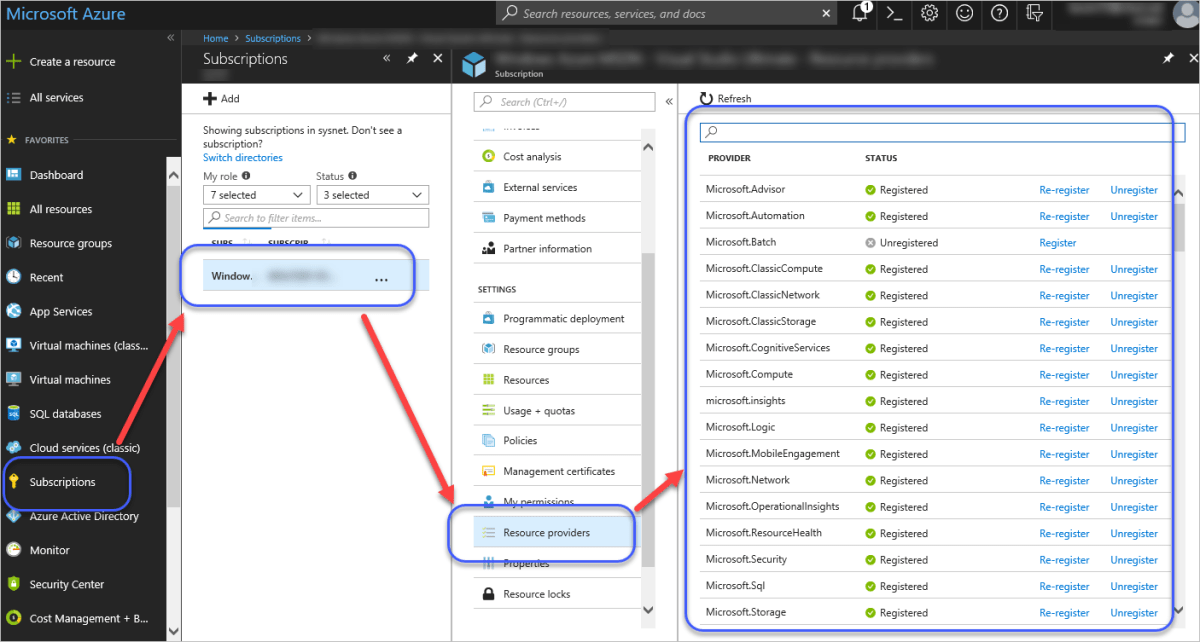
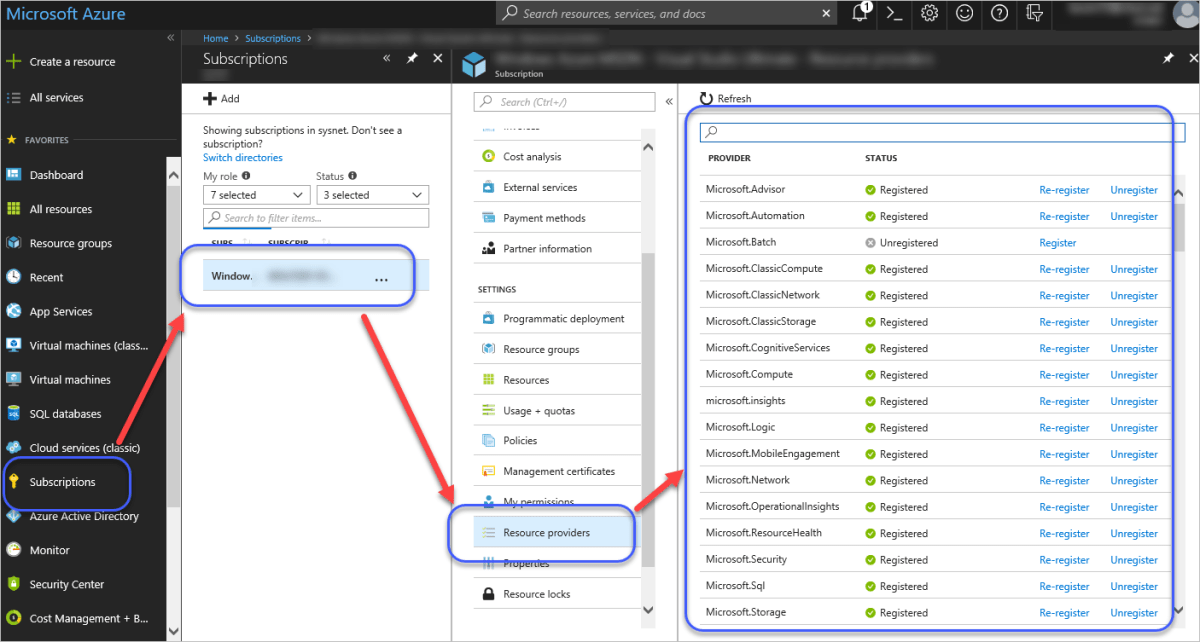
Log in to the Azure portal and create a new Recovery Services vault in the desired region. Choose a descriptive name and assign it to the appropriate resource group.
Once created, configure the vault settings, including backup storage redundancy (Locally Redundant Storage or Geo-Redundant Storage) and encryption options. Enable soft delete to protect against accidental deletion of backup data.
You can also set up alerts and notifications to monitor backup job failures or vault health.
- Create vault in the target Azure region.
- Configure storage redundancy and encryption.
- Enable soft delete and monitoring alerts.
Follow the official guide at Create and Configure a Recovery Services Vault.
Azure Backup Disaster Recovery – Azure Backup Disaster Recovery menjadi aspek penting yang dibahas di sini.
Configure Backup and Replication
For Azure VMs, enable backup directly from the VM blade in the Azure portal. Select the Recovery Services vault and apply a backup policy. The backup extension is automatically installed, and the first backup begins according to the schedule.
For on-premises servers, install the Microsoft Azure Recovery Services (MARS) agent. Register the server with the vault and configure backup selections and schedules.
For replication using Azure Site Recovery, enable replication from the vault. Select the source environment (e.g., VMware, Hyper-V, physical), configure replication settings, and initiate initial synchronization.
“Automation is key—use PowerShell or Azure CLI to script repetitive tasks.” — Azure Operations Guide
Best Practices for Optimizing Azure Backup Disaster Recovery
While Azure provides powerful tools, maximizing their effectiveness requires adherence to best practices. These guidelines will help you avoid common pitfalls and ensure optimal performance.
Regularly Test Your Recovery Plans
Too many organizations assume their disaster recovery plan works—until they need it. Regular testing is essential to validate backups, verify data integrity, and ensure staff are trained on recovery procedures.
Use Azure Site Recovery’s test failover feature to simulate disasters in an isolated network. This allows you to confirm that applications start correctly and data is consistent, without impacting production.
Schedule quarterly or bi-annual DR drills and document the results for audit purposes.
Azure Backup Disaster Recovery – Azure Backup Disaster Recovery menjadi aspek penting yang dibahas di sini.
- Conduct test failovers at least twice a year.
- Validate application functionality post-recovery.
- Document and review test outcomes with stakeholders.
Monitor and Maintain Backup Health
Azure provides robust monitoring through Azure Monitor, Log Analytics, and the Recovery Services vault dashboard. Set up alerts for failed backup jobs, low storage, or replication delays.
Regularly review backup reports to identify trends, such as increasing backup durations or storage consumption. Proactively address issues before they escalate.
Use Azure Automation to clean up old restore points or adjust policies based on changing business needs.
- Enable email/SMS alerts for backup failures.
- Review backup reports weekly.
- Automate routine maintenance tasks.
Secure Access and Manage Permissions
Limit access to your Recovery Services vault using Role-Based Access Control (RBAC). Assign roles such as Backup Operator, Site Recovery Contributor, or Reader based on job responsibilities.
Avoid using global administrator accounts for day-to-day operations. Instead, create dedicated service principals with the minimum required permissions.
Enable multi-factor authentication (MFA) for all administrative access to the Azure portal.
“Least privilege access is the cornerstone of cloud security.” — Microsoft Security Benchmark
Common Challenges and How to Overcome Them
Even with a powerful platform like Azure, organizations may face challenges during implementation and operation. Being aware of these issues in advance allows you to plan accordingly.
Azure Backup Disaster Recovery – Azure Backup Disaster Recovery menjadi aspek penting yang dibahas di sini.
Network Bandwidth Limitations
Initial replication of large datasets can consume significant bandwidth, potentially affecting production network performance. To mitigate this, consider using offline seeding—shipping encrypted hard drives to Azure via Azure Data Box.
You can also throttle replication during business hours and allow it to run at full speed during off-peak times.
- Use Azure Data Box for large initial syncs.
- Configure bandwidth throttling policies.
- Replicate during non-business hours.
Data Consistency and Application Awareness
Not all backups are created equal. For applications like SQL Server or SharePoint, ensuring application-consistent backups is crucial. Azure supports VSS (Volume Shadow Copy Service) for Windows and pre/post scripts for Linux to quiesce applications during backup.
Always verify that application-aware backups are enabled and test restores to confirm data integrity.
For more details, see Azure VM Backup Overview.
Cost Management and Unexpected Charges
While Azure is cost-effective, unmonitored usage can lead to bill spikes. Monitor storage growth, especially in archive tiers, and clean up obsolete restore points.
Use Azure Cost Management + Billing to track spending by resource, department, or project. Set up budget alerts to stay within financial limits.
Azure Backup Disaster Recovery – Azure Backup Disaster Recovery menjadi aspek penting yang dibahas di sini.
“Visibility into costs prevents budget overruns.” — Azure Financial Management Guide
Future Trends in Azure Backup Disaster Recovery
The landscape of data protection is evolving rapidly. Azure continues to innovate, introducing new features that enhance reliability, automation, and intelligence.
AI-Driven Recovery and Predictive Analytics
Microsoft is integrating AI and machine learning into Azure’s management tools. Future versions of Azure Backup Disaster Recovery may include predictive failure analysis—alerting you to potential hardware or software issues before they cause downtime.
AI could also optimize backup schedules based on usage patterns, reducing costs and improving efficiency.
- Predictive analytics for infrastructure health.
- AI-optimized backup windows.
- Automated anomaly detection in backup jobs.
Enhanced Hybrid and Multi-Cloud Support
As organizations adopt multi-cloud strategies, Azure is expanding its interoperability. Azure Arc enables management of AWS and GCP resources from the Azure portal, and future updates may allow cross-cloud disaster recovery scenarios.
This means you could replicate an AWS EC2 instance directly to Azure, providing true multi-cloud resilience.
Learn more at Azure Arc Overview.
Zero-Trust Security Integration
With rising cyber threats, especially ransomware, Azure is strengthening its zero-trust framework. Immutable backups, air-gapped vaults, and stricter access controls are being introduced to prevent malicious deletion or encryption of backup data.
Azure Backup Disaster Recovery – Azure Backup Disaster Recovery menjadi aspek penting yang dibahas di sini.
Features like backup vault security features (soft delete, private endpoints) are becoming default settings to enhance protection.
“The future of backup is not just recovery—it’s cyber resilience.” — Microsoft Security Vision
What is the difference between Azure Backup and Azure Site Recovery?
Azure Backup is designed for data protection through periodic backups and point-in-time restores, ideal for recovering files, databases, or VMs. Azure Site Recovery focuses on disaster recovery by replicating entire workloads to Azure, enabling rapid failover and minimal downtime during outages. They are complementary services within the Azure Backup Disaster Recovery ecosystem.
How much does Azure Backup Disaster Recovery cost?
Costs depend on factors like storage type (hot, cool, archive), data volume, bandwidth usage, and compute resources during failover. Azure offers a free tier for basic backup, and Site Recovery has no licensing fee—only charges for storage and VM runtime during failover. Use the Azure Pricing Calculator to estimate your costs.
Can I back up on-premises servers to Azure?
Yes, you can back up on-premises servers using the Microsoft Azure Recovery Services (MARS) agent or Microsoft Azure Backup Server (MABS). These tools allow seamless integration between your local infrastructure and Azure Backup, supporting Windows and Linux servers.
Azure Backup Disaster Recovery – Azure Backup Disaster Recovery menjadi aspek penting yang dibahas di sini.
How do I test my disaster recovery plan in Azure?
You can use Azure Site Recovery’s test failover feature to validate your DR plan without impacting production. This creates a isolated copy of your replicated VMs in a test network, allowing you to verify application functionality and recovery procedures safely.
Is my data secure in Azure Backup?
Yes, all data in Azure Backup is encrypted at rest using AES-256 and in transit using TLS. You can manage encryption keys via Azure Key Vault, and features like soft delete and private endpoints add extra layers of protection against accidental or malicious deletion.
Implementing Azure Backup Disaster Recovery is no longer optional—it’s a business imperative. With its powerful combination of backup, replication, security, and compliance features, Azure provides a future-proof solution for organizations of all sizes. By understanding its components, following best practices, and staying ahead of emerging trends, you can build a resilient IT infrastructure that withstands any challenge. The time to act is now—because when disaster strikes, preparation is everything.
Recommended for you 👇
Further Reading: