Cloud computing has revolutionized how businesses operate, and at the forefront of this transformation stands Azure Cloud. With unmatched scalability, enterprise-grade security, and seamless integration, Microsoft’s cloud platform empowers organizations to innovate faster and smarter.
What is Azure Cloud and Why It Dominates the Market

Azure Cloud, officially known as Microsoft Azure, is a comprehensive cloud computing platform launched by Microsoft in 2010. It provides over 200 services, including computing, analytics, storage, networking, and machine learning, all accessible via a global network of data centers. Unlike traditional on-premise infrastructure, Azure enables businesses to scale resources on-demand, reducing costs and increasing agility.
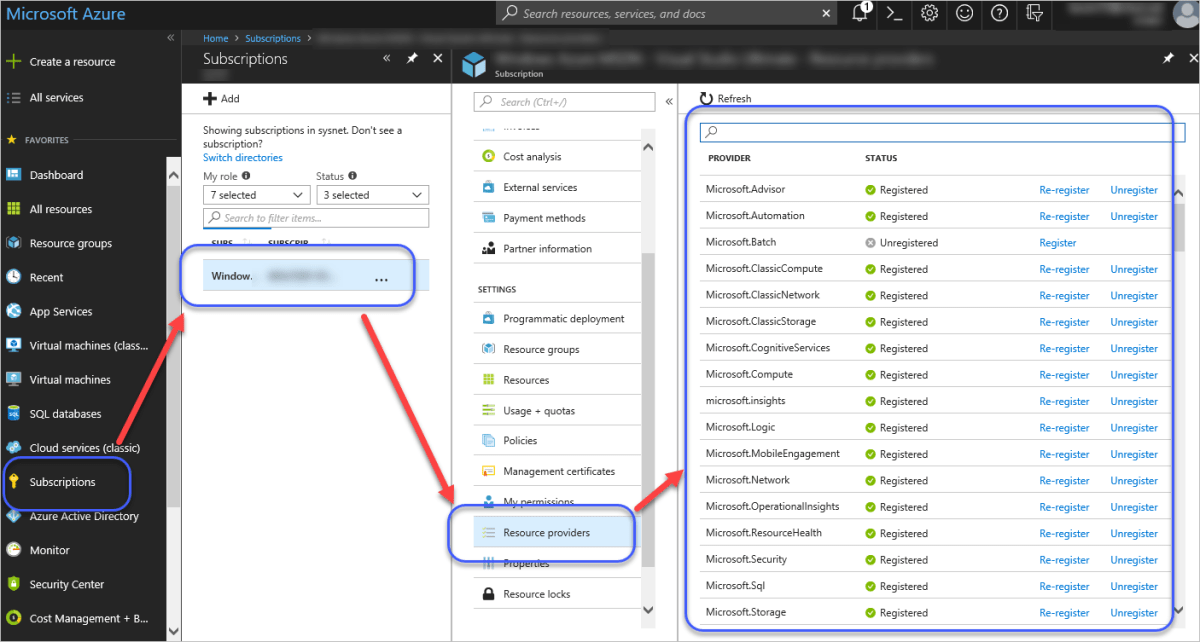
Core Components of Azure Cloud
Azure is built on a modular architecture that allows users to pick and choose services based on their needs. The platform is divided into several core components:
- Compute: Virtual machines, containers, and serverless computing (Azure Functions).
- Storage: Blob storage, disk storage, and data lakes for structured and unstructured data.
- Networking: Virtual networks, load balancers, and Azure Content Delivery Network (CDN).
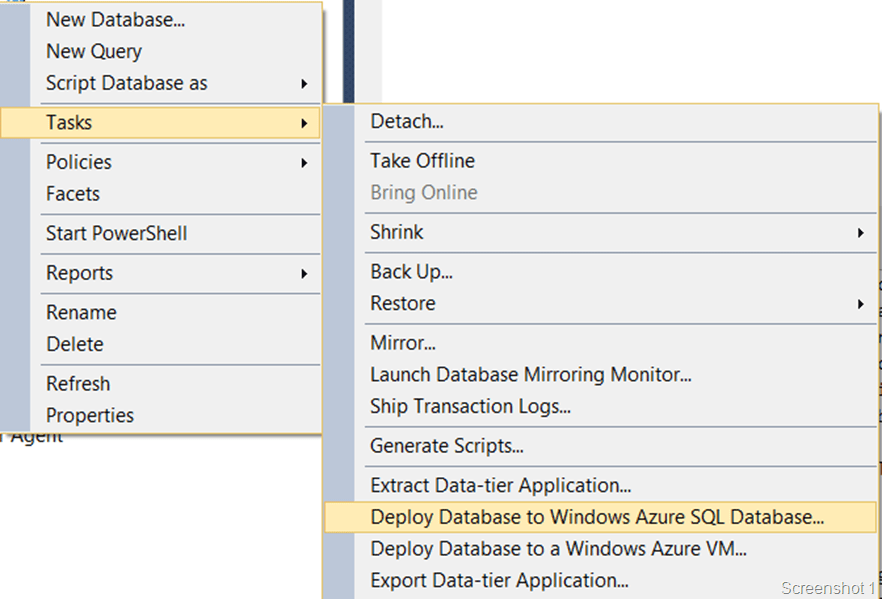
- Databases: Azure SQL Database, Cosmos DB, and MySQL/PostgreSQL managed services.
- AI & Machine Learning: Azure Cognitive Services and Azure Machine Learning Studio.
These components work together to deliver a flexible, secure, and high-performance environment for modern applications.
Global Reach and Data Center Infrastructure
One of Azure Cloud’s standout features is its global footprint. As of 2024, Microsoft operates in over 60 regions worldwide, more than any other cloud provider. This extensive reach ensures low latency, compliance with local data regulations, and high availability. For example, companies in Germany can leverage Azure’s data centers in Frankfurt and Magdeburg to meet GDPR requirements.
“Microsoft Azure powers 95% of Fortune 500 companies, showcasing its dominance in enterprise cloud adoption.” — Microsoft Official Report, 2023
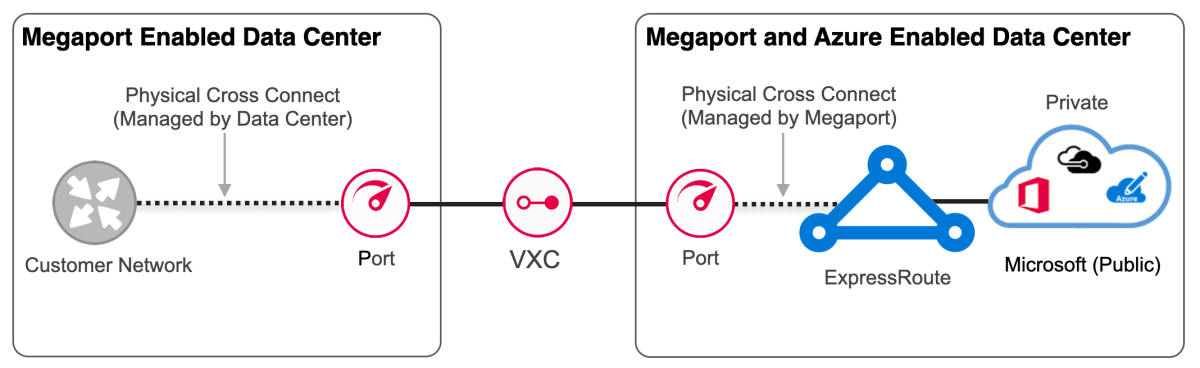
The platform also supports hybrid cloud models through Azure Stack, allowing businesses to run Azure services on-premises or in edge environments.
Azure Cloud vs. AWS vs. Google Cloud: A Strategic Comparison
When evaluating cloud platforms, three names dominate: Azure Cloud, Amazon Web Services (AWS), and Google Cloud Platform (GCP). Each has strengths, but Azure stands out in specific enterprise scenarios.
Market Share and Enterprise Adoption
According to Synergy Research Group (2024), AWS leads with 32% market share, followed by Microsoft Azure at 23%, and Google Cloud at 11%. However, Azure leads in enterprise integration, especially for organizations already using Microsoft 365, Active Directory, or Windows Server.
The seamless integration between Azure and Microsoft’s productivity suite makes it the preferred choice for large corporations undergoing digital transformation. For instance, a company using Outlook, Teams, and SharePoint can easily extend its identity management to Azure Active Directory, reducing complexity.
Service Offerings and Innovation
While AWS offers the most services (over 200), Azure matches it in critical areas like AI, hybrid cloud, and DevOps. Azure’s AI capabilities, powered by OpenAI partnership (including access to GPT models), give it an edge in generative AI applications.
- Azure Cognitive Services: Enables developers to add vision, speech, language, and decision-making AI to apps.
- Azure OpenAI Service: Provides secure, enterprise-grade access to models like GPT-3.5 and GPT-4.
- Azure DevOps: A complete suite for CI/CD, project management, and code repositories.
Google Cloud excels in data analytics and machine learning, but Azure’s hybrid capabilities and Windows support make it more versatile for legacy enterprise environments.
Top 7 Powerful Benefits of Using Azure Cloud
Azure Cloud isn’t just another cloud platform—it’s a strategic enabler for digital innovation. Here are seven compelling reasons why businesses are migrating to Azure.
1. Seamless Hybrid Cloud Integration
Azure is the only cloud platform designed from the ground up for hybrid environments. With Azure Arc, organizations can manage on-premises servers, edge devices, and multi-cloud resources from a single control plane.
This is crucial for industries like manufacturing, healthcare, and finance, where data sovereignty and latency are critical. For example, a hospital can process sensitive patient data locally while using Azure for analytics and backup.
2. Enterprise-Grade Security and Compliance
Security is Azure’s crown jewel. The platform offers built-in encryption, threat detection, and identity management through Azure Active Directory (AAD) and Microsoft Defender for Cloud.
Azure complies with over 120 global certifications, including ISO 27001, HIPAA, SOC 1/2, and GDPR. This makes it ideal for regulated industries. Additionally, Azure’s Zero Trust security model ensures that every access request is verified, regardless of location.
“Azure encrypts data at rest and in transit by default, reducing the risk of data breaches.” — Microsoft Security Documentation
3. Cost Efficiency and Flexible Pricing Models
Azure offers multiple pricing models: pay-as-you-go, reserved instances, and spot pricing. The Azure Pricing Calculator helps estimate costs before deployment.
Moreover, Azure Hybrid Benefit allows organizations to use existing Windows Server and SQL Server licenses on Azure, saving up to 40% on virtual machine costs. This is a game-changer for companies with volume licensing agreements.
How Azure Cloud Powers Digital Transformation
Digital transformation is no longer optional—it’s a survival imperative. Azure Cloud provides the tools to modernize legacy systems, accelerate innovation, and improve customer experiences.
Modernizing Legacy Applications
Many enterprises run critical applications on outdated systems. Azure App Service and Azure Migrate enable smooth migration of .NET, Java, and PHP apps to the cloud without major rewrites.
For example, a bank can lift-and-shift its core banking system to Azure Virtual Machines, then gradually refactor it into microservices using Azure Kubernetes Service (AKS).
Enabling AI and Data-Driven Decision Making
Azure Synapse Analytics combines big data and data warehousing into a single service, allowing real-time insights. Paired with Power BI, businesses can create interactive dashboards that drive strategic decisions.
Machine learning models can be trained using Azure Machine Learning and deployed across devices, apps, and edge locations. A retail chain, for instance, can use predictive analytics to optimize inventory and personalize customer offers.
Azure Cloud Security: A Deep Dive into Protection Mechanisms
With cyber threats evolving rapidly, cloud security is paramount. Azure Cloud provides a multi-layered defense strategy that covers identity, data, apps, and infrastructure.
Identity and Access Management with Azure AD
Azure Active Directory (now Microsoft Entra ID) is the backbone of identity management. It supports multi-factor authentication (MFA), conditional access policies, and single sign-on (SSO) across thousands of SaaS apps.
For example, an employee accessing Salesforce from an untrusted network can be prompted for MFA, ensuring secure access without compromising productivity.
Threat Detection and Response with Microsoft Defender
Microsoft Defender for Cloud continuously monitors Azure resources for vulnerabilities and threats. It provides security recommendations, detects ransomware, and integrates with SIEM tools like Azure Sentinel (now part of Microsoft Sentinel).
Defender uses AI to analyze logs and detect anomalies, such as unusual login attempts or data exfiltration. Alerts are prioritized based on risk, helping security teams respond faster.
Scaling with Azure: From Startups to Global Enterprises
One of Azure Cloud’s greatest strengths is its scalability. Whether you’re a startup launching an MVP or a multinational corporation handling petabytes of data, Azure scales with you.
Auto-Scaling and Load Balancing
Azure Autoscale automatically adjusts the number of running instances based on demand. For example, an e-commerce site can scale up during Black Friday and scale down afterward, optimizing costs.
Azure Load Balancer distributes traffic across multiple VMs or containers, ensuring high availability and fault tolerance. This is critical for mission-critical applications like online banking or telehealth platforms.
Global Load Balancing with Azure Traffic Manager
Traffic Manager routes user requests to the nearest or healthiest data center using DNS-based routing. This reduces latency and improves user experience for global audiences.
For instance, a gaming company can host game servers in North America, Europe, and Asia, with Traffic Manager directing players to the closest server for minimal lag.
Real-World Use Cases: How Companies Leverage Azure Cloud
Theoretical benefits are great, but real-world applications prove Azure’s value. Let’s explore how leading organizations use Azure Cloud to drive innovation.
Healthcare: Philips Uses Azure for Remote Patient Monitoring
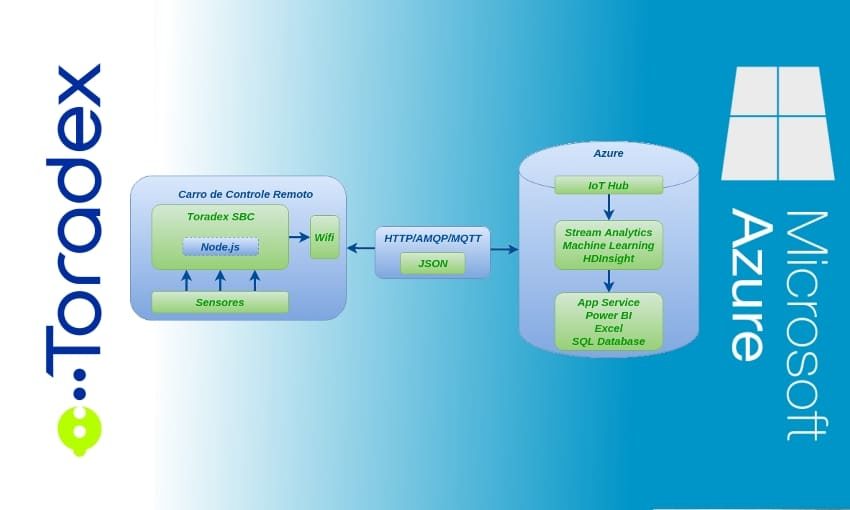
Philips partnered with Microsoft to build a cloud-based health platform using Azure IoT Hub and Azure AI. The system collects data from medical devices and uses machine learning to predict patient deterioration.
This enables early intervention, reducing hospital readmissions and improving outcomes. The platform also complies with HIPAA, ensuring patient data privacy.
Retail: ASOS Optimizes Fashion Logistics with Azure
ASOS, a global online fashion retailer, uses Azure to manage its supply chain and personalize customer experiences. Azure Machine Learning analyzes customer behavior to recommend products, while Azure Logic Apps automate warehouse workflows.
By migrating to Azure, ASOS reduced infrastructure costs by 30% and improved site performance during peak shopping seasons.
Getting Started with Azure Cloud: A Step-by-Step Guide
Ready to start your Azure journey? Here’s a practical roadmap to help you get up and running.
Step 1: Create an Azure Account
Visit azure.microsoft.com and sign up for a free account. You’ll get $200 in credits and access to over 25 free services for 12 months.
The free tier is perfect for learning, testing, and small projects. Popular free services include Azure App Service, Azure Functions, and Azure Cosmos DB (limited throughput).
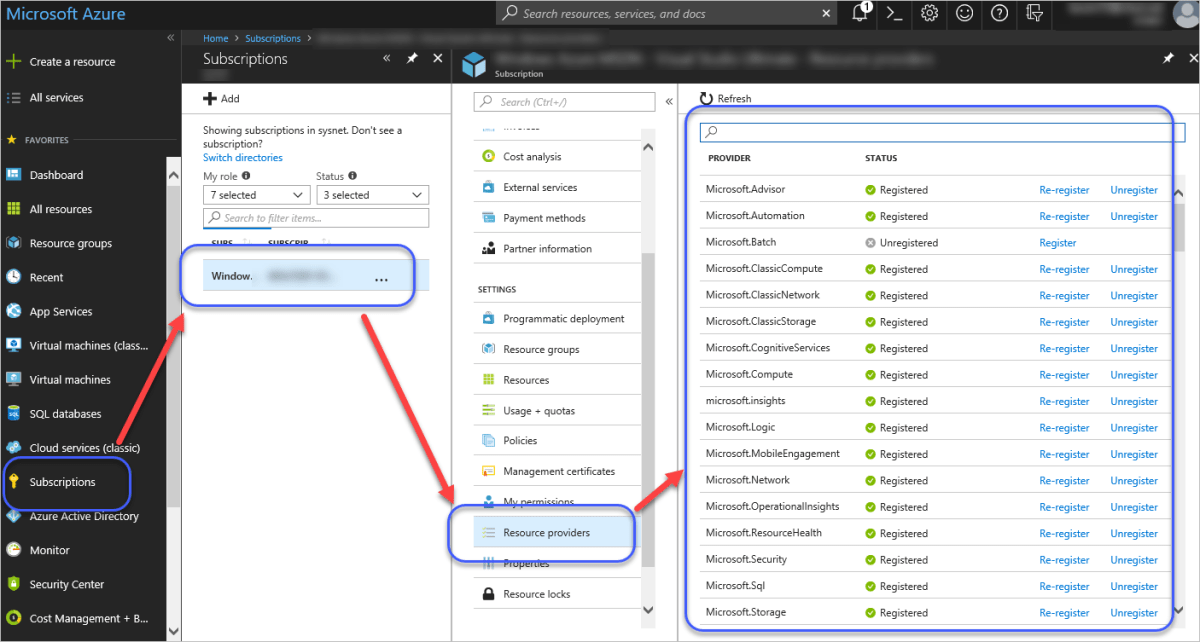
Step 2: Navigate the Azure Portal
The Azure Portal (portal.azure.com) is your central hub for managing resources. Key features include:
- Dashboard: Customize your view with frequently used services.
- Resource Groups: Organize related resources (e.g., VMs, databases) for easier management.
- Marketplace: Deploy pre-built solutions like WordPress, Docker, or SAP.
Spend time exploring the portal to understand how services are organized and billed.
Step 3: Deploy Your First Resource
Start with a simple virtual machine:
- Click “Create a resource” and search for “Virtual Machine”.
- Choose a configuration (e.g., Windows Server or Ubuntu).
- Configure size, authentication, and networking.
- Review and create.
Once deployed, you can connect via RDP or SSH and install applications.
Future of Azure Cloud: Trends and Innovations to Watch
Azure is not standing still. Microsoft is investing heavily in emerging technologies that will shape the next decade of cloud computing.
AI and Generative AI Integration
With the rise of generative AI, Azure is positioning itself as the go-to platform for secure, enterprise AI. The Azure OpenAI Service allows companies to build custom chatbots, content generators, and code assistants with enterprise-grade security.
Microsoft is also integrating AI into productivity tools—Copilot in Azure helps developers write code, debug, and optimize resources using natural language.
Edge Computing and IoT Expansion
Azure IoT Edge allows AI models to run on devices like cameras, sensors, and industrial machines. This reduces latency and bandwidth usage, enabling real-time decision-making.
For example, a smart factory can use Azure IoT Edge to detect equipment failures before they occur, minimizing downtime.
Sustainability and Green Cloud Initiatives
Microsoft has committed to being carbon negative by 2030. Azure data centers use renewable energy and advanced cooling technologies to minimize environmental impact.
The Azure Sustainability Calculator helps organizations measure the carbon footprint of their cloud usage and identify optimization opportunities.
What is Azure Cloud?
Azure Cloud is Microsoft’s cloud computing platform that provides over 200 services for computing, storage, networking, AI, and more. It enables businesses to build, deploy, and manage applications across a global network of data centers.
How does Azure compare to AWS?
While AWS has the largest market share, Azure excels in hybrid cloud integration, enterprise security, and Microsoft ecosystem compatibility. Azure is often preferred by organizations using Microsoft 365 or Windows environments.
Is Azure secure for enterprise use?
Yes. Azure offers enterprise-grade security with built-in encryption, threat detection, compliance certifications, and Zero Trust architecture. It’s trusted by 95% of Fortune 500 companies.
Can I use Azure for free?
Yes. Azure offers a free account with $200 in credits and access to over 25 free services for 12 months. This is ideal for learning and small-scale projects.
How do I get started with Azure?
Visit Azure Free Account, sign up, and explore the portal. Start with free services like App Service or Virtual Machines to build your first cloud application.
Azure Cloud is more than just a technology platform—it’s a catalyst for innovation, efficiency, and growth. From its robust security and hybrid capabilities to its AI-driven future, Azure empowers organizations to thrive in the digital age. Whether you’re a startup or a global enterprise, Azure provides the tools, scalability, and support to turn your vision into reality. The cloud revolution is here, and Azure is leading the charge.
Further Reading: