Imagine connecting your apps, services, and data without writing a single line of code. With Azure Logic Apps, that’s not just possible—it’s effortless. This powerful cloud service lets you automate complex workflows across multiple platforms with stunning ease and precision.
What Are Azure Logic Apps?

Azure Logic Apps is a cloud-based platform by Microsoft that enables users to automate and orchestrate workflows across disparate systems, services, and applications. Whether you’re integrating SaaS platforms like Salesforce or automating internal business processes with on-premises systems, Logic Apps provides a visual designer and a rich library of connectors to streamline integration tasks.
Core Concept of Workflow Automation
At its heart, Azure Logic Apps is built around the idea of workflow automation. Instead of manually triggering actions across different apps, you define a sequence of steps—called a workflow—that executes automatically when certain conditions are met. These workflows can be as simple as sending an email when a new file is uploaded to SharePoint or as complex as processing orders across ERP, CRM, and inventory systems.
Workflows are event-driven and can be triggered by HTTP requests, timers, or changes in data.Each step in a workflow is represented as a ‘connector’ or ‘action’ that interacts with a service.Logic Apps uses a declarative JSON-based language called Workflow Definition Language (WDL) under the hood.”Azure Logic Apps transforms how businesses connect systems—no code, no hassle, just results.” — Microsoft Azure DocumentationHow Azure Logic Apps Fit into the Azure EcosystemAzure Logic Apps doesn’t operate in isolation.It’s a key component of Microsoft’s broader integration and cloud strategy, working seamlessly with services like Azure Functions, API Management, Service Bus, and Event Grid.
.This tight integration allows developers and business analysts to build end-to-end solutions that span cloud and on-premises environments..
- Integrates with Azure Monitor for logging and performance tracking.
- Leverages Azure Active Directory for secure authentication.
- Can trigger or be triggered by Azure Functions for custom code execution.
For more details, visit the official Azure Logic Apps documentation.
Key Features of Azure Logic Apps
Azure Logic Apps stands out due to its robust feature set designed for both technical and non-technical users. From a drag-and-drop designer to enterprise-grade security, it offers everything needed to build scalable, reliable workflows.
Visual Workflow Designer
The Logic Apps Designer is a browser-based interface that allows users to build workflows using a simple drag-and-drop mechanism. You can add triggers, actions, conditions, and loops without writing any code. The designer provides real-time validation and error checking, making it easy to debug workflows during development.
- Supports both sequential and parallel execution paths.
- Includes built-in templates for common scenarios like file processing and email notifications.
- Allows switching to code view for advanced customization using JSON.
Rich Connector Library
One of the most powerful aspects of Azure Logic Apps is its extensive library of over 300 pre-built connectors. These connectors enable seamless integration with popular services such as Office 365, Dynamics 365, SQL Server, Twitter, Dropbox, and more.
- Connectors are categorized into cloud, enterprise, and on-premises types.
- Supports both inbound and outbound connections.
- On-premises data gateway allows secure access to local systems like SQL Server or SAP.
Explore the full list of connectors at Microsoft Connectors Reference.
Built-in AI and Cognitive Services Integration
Azure Logic Apps goes beyond basic automation by allowing integration with AI-powered services. You can use Cognitive Services connectors to analyze text sentiment, detect faces in images, extract key phrases, or translate content—all within a workflow.
- Use Text Analytics to scan customer feedback for negative sentiment.
- Apply Computer Vision to process uploaded images automatically.
- Enable language translation for global support teams.
“Integrating AI into workflows used to require deep expertise. Now, Logic Apps makes it accessible to everyone.” — Azure Blog
Use Cases for Azure Logic Apps
The versatility of Azure Logic Apps makes it suitable for a wide range of business and technical scenarios. Organizations across industries use it to streamline operations, reduce manual work, and improve response times.
Automating Business Processes
Many companies use Azure Logic Apps to automate internal business processes such as employee onboarding, invoice processing, and approval workflows. For example, when a new hire is added to HR software, a Logic App can automatically create email accounts, assign equipment, and notify managers—all without human intervention.
- Reduces processing time from days to minutes.
- Ensures consistency and compliance with company policies.
- Integrates with SharePoint, Teams, and Outlook for seamless communication.
Data Integration and Synchronization
Data often resides in silos across different systems. Azure Logic Apps helps synchronize data between databases, cloud apps, and legacy systems. A common use case is syncing customer data from Salesforce to a local SQL database for reporting purposes.
- Supports scheduled and real-time data sync.
- Handles data transformation using built-in functions or Azure Functions.
- Can manage large volumes of data with batching and pagination.
Event-Driven Architectures
In modern cloud applications, event-driven design is crucial for scalability and responsiveness. Azure Logic Apps integrates with Azure Event Grid to react to events like blob creation, resource changes, or custom application events.
- Triggers workflows when a new file is uploaded to Azure Blob Storage.
- Responds to virtual machine state changes in real time.
- Enables serverless architectures by decoupling components.
Learn more about event-driven patterns at Azure Event Grid Overview.
Creating Your First Azure Logic App
Getting started with Azure Logic Apps is straightforward, even for beginners. In this section, we’ll walk through the steps to create a simple workflow that sends an email when a new item is added to a SharePoint list.
Step 1: Setting Up the Environment
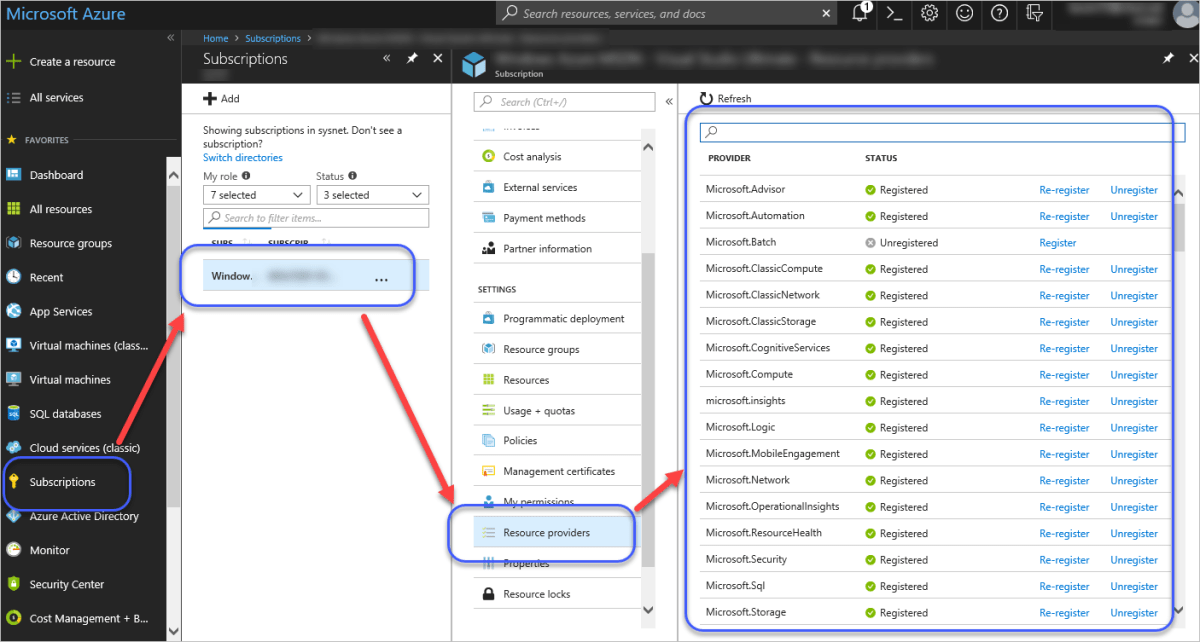
Before creating a Logic App, ensure you have an Azure account and the necessary permissions. Navigate to the Azure portal (portal.azure.com), and create a new Logic App resource. Choose a unique name, select your subscription, resource group, and location.
- Choose the ‘Consumption’ or ‘Standard’ pricing tier based on your needs.
- The Consumption plan is pay-per-use and scales automatically.
- The Standard plan offers more control and is ideal for production workloads.
Step 2: Designing the Workflow
Once the Logic App is created, open the Logic Apps Designer. Start by selecting a trigger—such as ‘When an item is created’ in SharePoint. Authenticate your SharePoint connection, then choose the site and list to monitor.
- Add a new action by clicking ‘+ New step’.
- Search for ‘Send an email (V2)’ and select the Office 365 Outlook connector.
- Fill in the recipient, subject, and body fields, using dynamic content from the SharePoint item.
Step 3: Testing and Monitoring
After saving the workflow, test it by adding a new item to the SharePoint list. The Logic App should trigger automatically and send an email. Use the ‘Run history’ tab in the Azure portal to monitor executions, view inputs/outputs, and troubleshoot any issues.
- Check for failed runs and review error messages.
- Use Azure Monitor to set up alerts for critical failures.
- Enable Application Insights for deeper telemetry.
“The first Logic App you build might be simple, but it opens the door to endless automation possibilities.”
Advanced Capabilities of Azure Logic Apps
While the basic features are powerful, Azure Logic Apps truly shines when you explore its advanced capabilities. These include custom connectors, error handling, and integration with DevOps pipelines.
Custom Connectors
Not all services are covered by the built-in connectors. In such cases, you can create custom connectors to interact with proprietary APIs or internal systems. A custom connector defines the API’s endpoints, authentication method, and actions.
- Define operations using OpenAPI (Swagger) specifications.
- Supports OAuth, API keys, and basic authentication.
- Can be shared across multiple Logic Apps within a tenant.
Documentation for building custom connectors is available at Custom Connector Overview.
Error Handling and Retry Policies
Robust workflows must handle failures gracefully. Azure Logic Apps provides built-in retry policies and error handling mechanisms. You can configure how many times an action should retry and the interval between retries.
- Set retry policies per action or globally.
- Use the ‘Run after’ configuration to define conditional logic based on success or failure.
- Implement dead-letter queues using Service Bus for failed messages.
Integration with CI/CD Pipelines
For enterprise deployments, integrating Logic Apps into CI/CD pipelines ensures consistency, version control, and automated testing. You can use Azure DevOps or GitHub Actions to deploy Logic Apps from source control.
- Store workflow definitions (JSON files) in a repository.
- Use ARM templates or Bicep files for infrastructure-as-code deployment.
- Run automated tests using PowerShell or Azure CLI.
Performance and Scalability of Azure Logic Apps
As workflows grow in complexity and volume, performance and scalability become critical. Azure Logic Apps is designed to scale automatically, but understanding its limits and best practices is essential for optimal performance.
Scaling Models: Consumption vs. Standard
Azure Logic Apps offers two main hosting plans: Consumption and Standard. The Consumption plan is serverless and scales automatically based on demand. You pay only for the executions and actions performed.
- Ideal for unpredictable workloads and small to medium workflows.
- Automatic scaling with no need to manage infrastructure.
- Limited to 200 actions per workflow run in Consumption plan.
The Standard plan runs on Azure App Service and offers more control over scaling, networking, and deployment.
- Supports long-running workflows and VNET integration.
- Allows hosting multiple Logic Apps in a single plan.
- Better suited for enterprise-grade applications with strict SLAs.
Optimizing Workflow Performance
To ensure your Logic Apps perform efficiently, follow best practices such as minimizing the number of actions, using parallel branches, and avoiding unnecessary data processing.
- Use the ‘Compose’ action sparingly; it can increase execution time.
- Leverage filters early in the workflow to reduce data flow.
- Use Azure Functions for heavy computations instead of inline expressions.
Monitoring and Diagnostics
Effective monitoring is key to maintaining reliable workflows. Azure Logic Apps integrates with Azure Monitor, Log Analytics, and Application Insights to provide detailed insights into performance, errors, and usage patterns.
- Set up diagnostic settings to stream logs to Log Analytics.
- Create custom dashboards to visualize workflow metrics.
- Use alerts to notify teams of high latency or failure rates.
For detailed monitoring guidance, visit Monitor Logic Apps.
Security and Compliance in Azure Logic Apps
Security is paramount when automating workflows, especially when dealing with sensitive data. Azure Logic Apps provides multiple layers of security to protect your integrations and ensure compliance with industry standards.
Authentication and Authorization
Azure Logic Apps supports various authentication methods, including OAuth, Managed Identities, API keys, and certificates. Using Managed Identity is recommended as it eliminates the need to store credentials in the workflow.
- Assign system-assigned or user-assigned identities to Logic Apps.
- Grant least-privilege access to resources like Storage or Key Vault.
- Use Azure Key Vault to securely store secrets and reference them in workflows.
Data Protection and Encryption
All data processed by Azure Logic Apps is encrypted in transit and at rest. Sensitive data such as connection strings and tokens are encrypted using Microsoft-managed keys or customer-managed keys (CMK) via Azure Key Vault.
- Enable CMK for enhanced control over encryption keys.
- Use private endpoints to secure communication with Logic Apps.
- Ensure compliance with GDPR, HIPAA, and ISO standards.
Audit and Governance
For regulatory compliance, Azure Logic Apps integrates with Azure Policy and Azure Blueprints to enforce governance rules. You can audit workflow changes, track user access, and ensure configurations meet organizational policies.
- Enable Azure Activity Log to track management operations.
- Use Azure Policy to restrict connector usage or deployment regions.
- Implement role-based access control (RBAC) for granular permissions.
Learn more about compliance at Azure Compliance Documentation.
Common Challenges and Best Practices
While Azure Logic Apps is powerful, users often face challenges related to complexity, debugging, and cost management. Understanding these pitfalls and adopting best practices can significantly improve your experience.
Managing Complexity in Large Workflows
As workflows grow, they can become difficult to manage and debug. To avoid this, break large workflows into smaller, reusable components using child Logic Apps or Azure Functions.
- Use modular design principles to enhance maintainability.
- Document workflows with comments and descriptions.
- Version control all workflow definitions.
Cost Optimization Strategies
The Consumption plan is cost-effective for low-volume workflows, but costs can escalate with high-frequency executions. Monitor usage regularly and optimize workflows to reduce unnecessary actions.
- Use triggers efficiently—avoid polling when possible.
- Batch operations to reduce the number of executions.
- Set up budget alerts in Azure Cost Management.
Debugging and Troubleshooting Tips
When a workflow fails, the first step is to check the run history in the Azure portal. Look at the input and output of each action to identify where the issue occurred.
- Use the ‘Peek Code’ feature to inspect underlying JSON.
- Enable verbose logging for detailed diagnostics.
- Test workflows in a development environment before production.
“The best Logic Apps are not just functional—they are maintainable, secure, and cost-efficient.”
What is Azure Logic Apps used for?
Azure Logic Apps is used to automate workflows across multiple systems and services without writing code. Common uses include integrating SaaS apps, processing data, sending notifications, and orchestrating business processes.
Is Azure Logic Apps serverless?
Yes, when using the Consumption plan, Azure Logic Apps is a serverless service that automatically scales based on demand and charges only for usage.
How much does Azure Logic Apps cost?
Pricing depends on the plan. The Consumption plan charges per action and connector execution, while the Standard plan has a fixed hourly rate. Detailed pricing is available on the Azure website.
Can Logic Apps call Azure Functions?
Yes, Logic Apps can call Azure Functions to execute custom code, enabling advanced processing within a workflow.
What is the difference between Logic Apps and Power Automate?
Both automate workflows, but Logic Apps is more developer-focused and integrates deeply with Azure services, while Power Automate is geared toward business users and integrates with Microsoft 365 and Dynamics.
From simple email alerts to enterprise-wide integrations, Azure Logic Apps empowers organizations to automate with speed, security, and scalability. By leveraging its visual designer, rich connectors, and cloud-native architecture, businesses can eliminate manual tasks, reduce errors, and respond faster to changing demands. Whether you’re a developer, IT professional, or business analyst, Azure Logic Apps offers the tools you need to build intelligent, automated workflows that drive real value.
Recommended for you 👇
Further Reading: