Welcome to the future of data management—where speed, scalability, and simplicity meet. Database as a Service (DBaaS) is transforming how businesses store, access, and manage their data without the headaches of traditional infrastructure. Let’s dive into what makes DBaaS a game-changer.
What Is Database as a Service (DBaaS)?

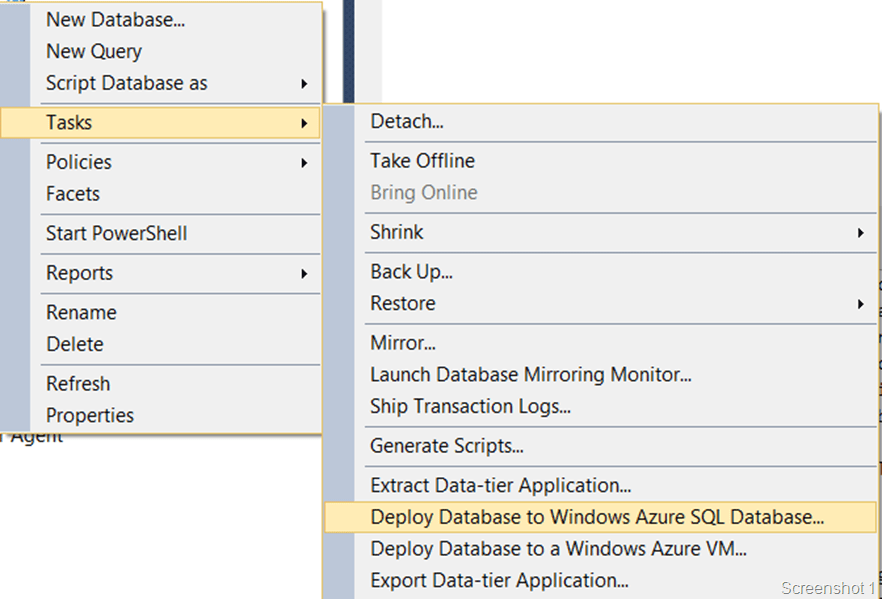
Database as a Service (DBaaS) is a cloud-based model that allows users to access and manage databases without handling the underlying hardware, software, or maintenance tasks. Instead of installing and managing databases on-premises, organizations can leverage cloud providers to deliver database functionality on-demand, with minimal setup and maximum flexibility.
Core Definition and Concept
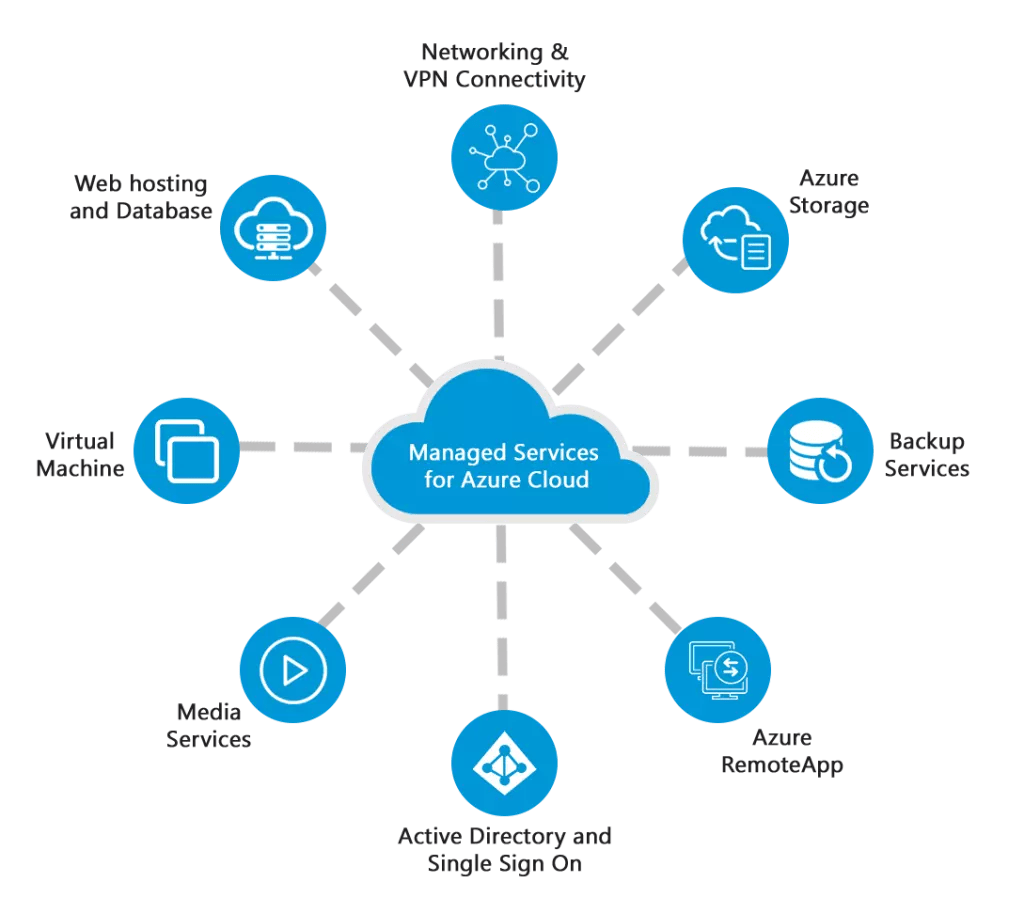
At its core, DBaaS is part of the broader cloud computing ecosystem, falling under the umbrella of ‘managed services.’ It enables users to provision, scale, and operate databases through a web interface or API, with the cloud provider handling tasks like backups, patching, replication, and failover. This model shifts the responsibility of database administration from the user to the service provider, allowing developers and businesses to focus on application logic and innovation.
Database as a Service (DBaaS) – Database as a Service (DBaaS) menjadi aspek penting yang dibahas di sini.
- Eliminates the need for physical hardware setup
- Provides instant access to database instances
- Supports multiple database types (SQL, NoSQL, etc.)
According to Gartner, DBaaS is one of the fastest-growing segments in cloud computing due to its operational efficiency and cost-effectiveness.
How DBaaS Differs from Traditional Databases
Traditional databases require significant upfront investment in servers, storage, networking, and skilled personnel. In contrast, DBaaS operates on a pay-as-you-go or subscription model, drastically reducing capital expenditure. While traditional setups demand manual configuration and ongoing maintenance, DBaaS automates most of these processes.
“DBaaS abstracts the complexity of database management, allowing organizations to treat data infrastructure as a utility—just like electricity or internet.” — TechTarget
- No need for in-house DBAs for routine tasks
- Faster deployment times (minutes vs. days)
- Automatic software updates and security patches
Key Features of Database as a Service (DBaaS)
The power of Database as a Service (DBaaS) lies in its rich feature set designed to enhance performance, security, and ease of use. These features make it an ideal choice for startups, enterprises, and developers alike.
Database as a Service (DBaaS) – Database as a Service (DBaaS) menjadi aspek penting yang dibahas di sini.
Automated Management and Maintenance
One of the standout features of DBaaS is automation. Cloud providers automatically handle critical tasks such as:
- Software patching and version upgrades
- Backup and recovery operations
- Monitoring and performance tuning
This automation reduces human error and ensures high availability. For example, Amazon RDS offers automated backups and point-in-time recovery, enabling businesses to restore data to any second within a retention period.
Scalability and Elasticity
DBaaS platforms offer both vertical and horizontal scaling options. Vertical scaling involves increasing the resources (CPU, RAM, storage) of an existing instance, while horizontal scaling distributes the load across multiple instances.
Database as a Service (DBaaS) – Database as a Service (DBaaS) menjadi aspek penting yang dibahas di sini.
- Scale up during traffic spikes (e.g., Black Friday sales)
- Scale down during low-usage periods to save costs
- Some platforms support auto-scaling based on real-time demand
Google Cloud’s Cloud Spanner is a prime example of a globally scalable DBaaS that supports automatic sharding and load balancing.
High Availability and Disaster Recovery
Downtime is costly. DBaaS solutions are built with redundancy in mind, often deploying databases across multiple availability zones or regions. This ensures that if one server fails, another takes over seamlessly.
- Multi-zone replication for fault tolerance
- Automatic failover mechanisms
- Disaster recovery plans integrated into the service
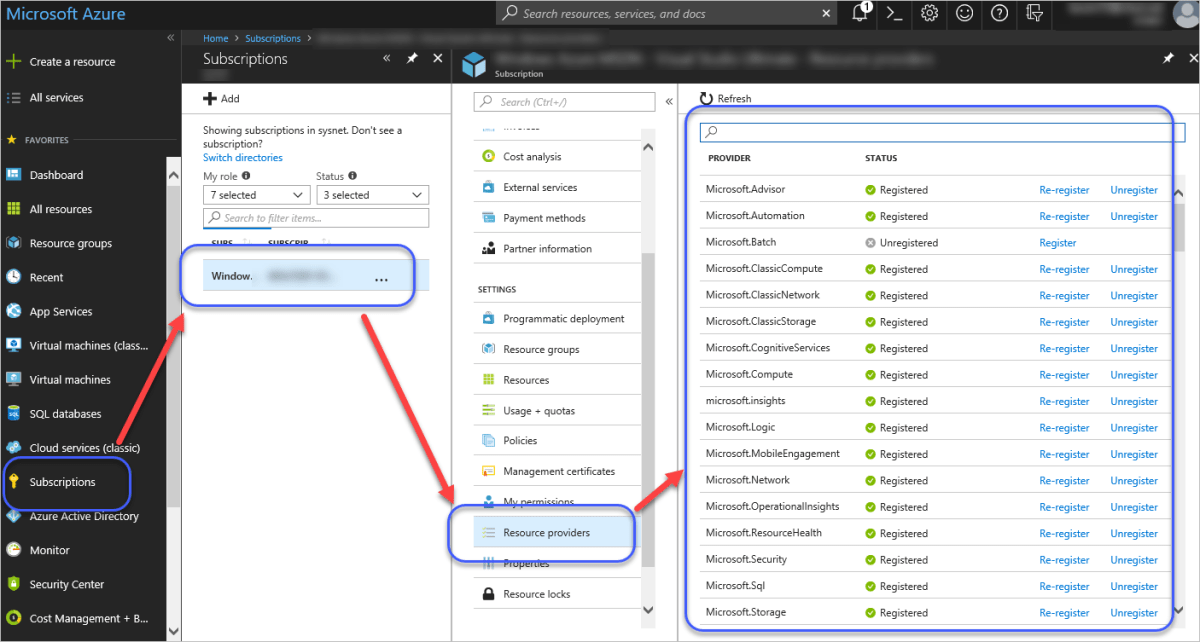
Microsoft Azure’s Azure SQL Database offers built-in high availability with a 99.99% uptime SLA, making it a trusted choice for mission-critical applications.
Database as a Service (DBaaS) – Database as a Service (DBaaS) menjadi aspek penting yang dibahas di sini.
Types of Database as a Service (DBaaS) Models
Not all DBaaS offerings are the same. Different models cater to varying needs, from full control to complete abstraction. Understanding these models helps organizations choose the right fit.
Managed vs. Self-Managed DBaaS
In a managed DBaaS model, the provider handles nearly all administrative tasks, including tuning, monitoring, and security. Examples include AWS RDS and Google Cloud SQL. In contrast, self-managed DBaaS gives users more control but requires them to handle some maintenance tasks.
- Managed: Best for teams without dedicated DBAs
- Self-managed: Suitable for organizations needing granular control
- Hybrid options exist, offering partial automation
For instance, MongoDB Atlas provides a fully managed experience for NoSQL databases, reducing operational overhead significantly.
Database as a Service (DBaaS) – Database as a Service (DBaaS) menjadi aspek penting yang dibahas di sini.
Public, Private, and Hybrid DBaaS
DBaaS can be deployed in public clouds (like AWS, Azure), private clouds (on-premises or hosted), or hybrid environments that combine both.
- Public DBaaS: Cost-effective and scalable, ideal for public-facing apps
- Private DBaaS: Offers greater control and compliance, suited for regulated industries
- Hybrid DBaaS: Balances flexibility and security, useful for data sovereignty
Oracle’s Autonomous Database supports hybrid deployments, allowing businesses to run workloads where they make the most sense.
Single-Tenant vs. Multi-Tenant Architectures
In multi-tenant DBaaS, multiple customers share the same infrastructure, which reduces costs but may raise performance and security concerns. Single-tenant DBaaS dedicates resources to one customer, offering better isolation and performance guarantees.
Database as a Service (DBaaS) – Database as a Service (DBaaS) menjadi aspek penting yang dibahas di sini.
- Multi-tenant: Economical for small to medium businesses
- Single-tenant: Preferred by enterprises with strict SLAs
- Performance isolation is a key differentiator
While multi-tenancy drives efficiency, single-tenant models are often chosen for financial and healthcare applications due to regulatory requirements.
Popular Database as a Service (DBaaS) Providers
The DBaaS market is dominated by major cloud providers, each offering robust, feature-rich platforms. Choosing the right provider depends on your tech stack, budget, and scalability needs.
Amazon Web Services (AWS) RDS and Aurora
AWS offers two primary DBaaS solutions: Relational Database Service (RDS) and Aurora. RDS supports popular engines like MySQL, PostgreSQL, Oracle, and SQL Server, providing automated backups, patching, and monitoring.
Database as a Service (DBaaS) – Database as a Service (DBaaS) menjadi aspek penting yang dibahas di sini.
- Aurora is AWS’s high-performance, MySQL- and PostgreSQL-compatible database
- Up to 5x faster than standard MySQL databases
- Automatically scales storage up to 128 TB
AWS RDS integrates seamlessly with other AWS services like Lambda, S3, and CloudWatch, making it a favorite among DevOps teams. Learn more at AWS RDS Official Page.
Google Cloud SQL and Cloud Spanner
Google Cloud offers Cloud SQL for traditional relational workloads and Cloud Spanner for globally distributed, mission-critical applications.
- Cloud SQL supports MySQL, PostgreSQL, and SQL Server
- Cloud Spanner provides horizontal scalability and strong consistency
- Both integrate with Google Kubernetes Engine (GKE)
Cloud Spanner is particularly powerful for applications requiring global transactional consistency, such as banking systems or inventory management across continents.
Database as a Service (DBaaS) – Database as a Service (DBaaS) menjadi aspek penting yang dibahas di sini.
Microsoft Azure SQL Database and Cosmos DB
Azure SQL Database is a fully managed PaaS offering for relational data, while Cosmos DB is a globally distributed, multi-model NoSQL database.
- Azure SQL Database supports intelligent performance tuning and threat detection
- Cosmos DB offers single-digit millisecond latency at the 99th percentile
- Both support serverless compute options
Azure’s integration with Active Directory and Power BI makes it a strong choice for enterprises already in the Microsoft ecosystem.
Advantages of Database as a Service (DBaaS)
Adopting Database as a Service (DBaaS) brings numerous strategic and operational benefits that can transform how organizations handle data.
Database as a Service (DBaaS) – Database as a Service (DBaaS) menjadi aspek penting yang dibahas di sini.
Cost Efficiency and Reduced TCO
DBaaS eliminates the need for expensive hardware, data center space, and dedicated IT staff for database management. Instead, businesses pay only for the resources they use.
- No upfront capital expenditure
- Pay-per-use pricing models
- Lower operational costs due to automation
A study by IBM found that companies using DBaaS reduced their total cost of ownership (TCO) by up to 50% over three years compared to on-premises databases.
Faster Time-to-Market
With DBaaS, developers can spin up database instances in minutes, accelerating application development and deployment cycles.
Database as a Service (DBaaS) – Database as a Service (DBaaS) menjadi aspek penting yang dibahas di sini.
- Pre-configured templates and APIs
- Integration with CI/CD pipelines
- Quick prototyping and testing environments
Startups benefit immensely, as they can focus on building features rather than managing infrastructure.
Enhanced Security and Compliance
Reputable DBaaS providers invest heavily in security, offering features like encryption at rest and in transit, network isolation, and compliance certifications.
- Automatic encryption of data
- Support for GDPR, HIPAA, SOC 2, and other standards
- Built-in firewalls and DDoS protection
For example, AWS RDS allows users to enable encryption with just a few clicks, ensuring sensitive data remains protected.
Database as a Service (DBaaS) – Database as a Service (DBaaS) menjadi aspek penting yang dibahas di sini.
Challenges and Limitations of DBaaS
While Database as a Service (DBaaS) offers many advantages, it’s not without challenges. Organizations must be aware of potential drawbacks before adoption.
Vendor Lock-In Risks
Once an application is built on a specific DBaaS platform, migrating to another provider can be complex and costly due to proprietary APIs, data formats, and integration dependencies.
- Differences in query syntax and performance tuning
- Data egress fees can be high
- Lack of portability between vendors
To mitigate this, some companies adopt multi-cloud strategies or use open-source databases hosted on neutral platforms.
Database as a Service (DBaaS) – Database as a Service (DBaaS) menjadi aspek penting yang dibahas di sini.
Performance and Latency Issues
Although DBaaS platforms are optimized for performance, network latency can become an issue, especially for applications requiring real-time responses or those deployed far from the data center.
- Latency increases with geographical distance
- Shared infrastructure may lead to ‘noisy neighbor’ problems
- Limited control over underlying hardware tuning
Using regional endpoints and caching layers (like Redis) can help reduce latency.
Data Privacy and Regulatory Concerns
Storing data in the cloud raises concerns about data sovereignty, especially in regions with strict privacy laws like the EU’s GDPR or the US’s CCPA.
Database as a Service (DBaaS) – Database as a Service (DBaaS) menjadi aspek penting yang dibahas di sini.
- Data may be stored in jurisdictions with different legal frameworks
- Need for clear data residency policies
- Third-party audits and compliance reports are essential
Organizations should carefully review provider SLAs and data handling practices before committing.
Use Cases and Real-World Applications of DBaaS
Database as a Service (DBaaS) is not just for tech giants—it’s being used across industries to solve real business problems.
E-Commerce and Retail
Online retailers use DBaaS to manage product catalogs, customer data, and transaction records. During peak seasons like holidays, they scale databases dynamically to handle traffic surges.
Database as a Service (DBaaS) – Database as a Service (DBaaS) menjadi aspek penting yang dibahas di sini.
- Real-time inventory tracking
- Personalized recommendations using analytics
- Secure payment processing with encrypted databases
Companies like Shopify leverage DBaaS to ensure high availability and fast response times for millions of merchants.
Healthcare and Life Sciences
In healthcare, DBaaS supports electronic health records (EHR), telemedicine platforms, and genomic data analysis—all while maintaining HIPAA compliance.
- Secure storage of patient records
- Fast querying for diagnostic tools
- Global access for research collaborations
Google Cloud’s healthcare API integrates with Cloud SQL to provide compliant, scalable solutions for medical data.
Database as a Service (DBaaS) – Database as a Service (DBaaS) menjadi aspek penting yang dibahas di sini.
FinTech and Banking
Financial institutions use DBaaS for fraud detection, transaction processing, and customer onboarding. The need for high availability and low latency makes DBaaS ideal.
- Real-time fraud detection using AI models
- Global transaction consistency with distributed databases
- Regulatory reporting with audit trails
Banks like Capital One have migrated to AWS to leverage its scalable and secure DBaaS offerings.
Future Trends in Database as a Service (DBaaS)
The evolution of DBaaS is far from over. Emerging technologies and market demands are shaping the next generation of cloud databases.
Database as a Service (DBaaS) – Database as a Service (DBaaS) menjadi aspek penting yang dibahas di sini.
AI-Driven Database Optimization
Artificial intelligence is being integrated into DBaaS platforms to automate performance tuning, anomaly detection, and query optimization.
- Oracle Autonomous Database uses AI to self-patch and self-tune
- Google’s AlloyDB leverages machine learning for workload prediction
- AI helps reduce manual DBA intervention
This trend is making databases smarter and more efficient, reducing operational costs further.
Serverless Databases
Serverless DBaaS models automatically scale to zero when not in use, charging only for actual execution time and data processed.
Database as a Service (DBaaS) – Database as a Service (DBaaS) menjadi aspek penting yang dibahas di sini.
- AWS Aurora Serverless v2 adjusts capacity in real time
- Google Cloud Firestore is a fully serverless NoSQL option
- Ideal for unpredictable or sporadic workloads
Serverless architectures are gaining traction in microservices and event-driven applications.
Edge Databases and IoT Integration
As IoT devices generate massive amounts of data, DBaaS is moving closer to the edge—closer to where data is produced.
- Edge databases reduce latency for real-time decision-making
- Sync capabilities with central cloud databases
- Support for offline operations in remote locations
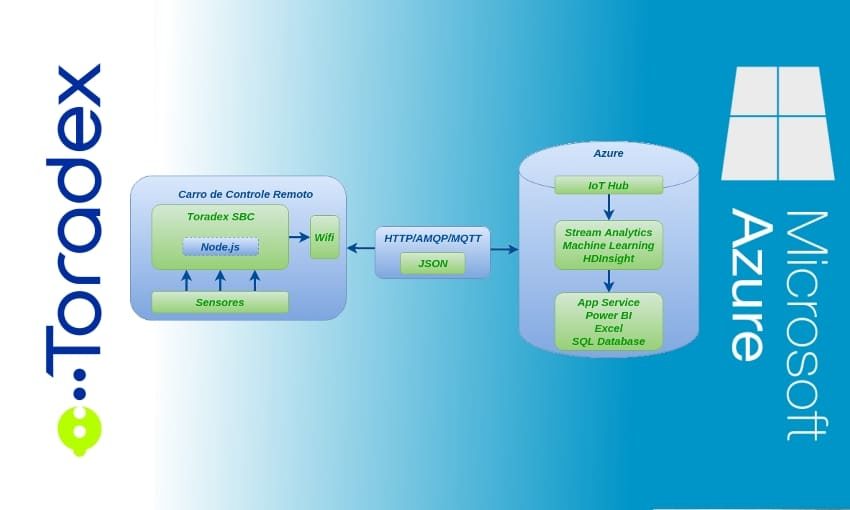
Azure IoT Hub combined with Cosmos DB enables seamless data flow from edge devices to the cloud.
Database as a Service (DBaaS) – Database as a Service (DBaaS) menjadi aspek penting yang dibahas di sini.
What is Database as a Service (DBaaS)?
Database as a Service (DBaaS) is a cloud computing model that provides database functionality as a managed service, allowing users to store, manage, and access data without handling the underlying infrastructure. It includes automated backups, scaling, security, and maintenance, all handled by the provider.
What are the main benefits of DBaaS?
Database as a Service (DBaaS) – Database as a Service (DBaaS) menjadi aspek penting yang dibahas di sini.
The key benefits include cost savings, faster deployment, automatic updates, high availability, scalability, and enhanced security. It allows businesses to focus on application development rather than database administration.
Is DBaaS secure?
Yes, reputable DBaaS providers implement robust security measures including encryption, access controls, network isolation, and compliance with standards like GDPR and HIPAA. However, users must also follow best practices to ensure data protection.
Database as a Service (DBaaS) – Database as a Service (DBaaS) menjadi aspek penting yang dibahas di sini.
Can I migrate my existing database to DBaaS?
Yes, most cloud providers offer migration tools and services to help transfer on-premises or legacy databases to their DBaaS platforms. AWS Database Migration Service and Azure Data Migration Service are popular examples.
Which industries benefit most from DBaaS?
Database as a Service (DBaaS) – Database as a Service (DBaaS) menjadi aspek penting yang dibahas di sini.
E-commerce, healthcare, finance, gaming, and SaaS companies benefit greatly from DBaaS due to their need for scalability, reliability, and real-time data processing.
Database as a Service (DBaaS) is revolutionizing how organizations manage data. From cost savings and scalability to enhanced security and global reach, DBaaS offers a compelling alternative to traditional database systems. While challenges like vendor lock-in and latency exist, the benefits far outweigh the drawbacks for most use cases. As AI, serverless computing, and edge technologies evolve, DBaaS will continue to become smarter, faster, and more accessible. Whether you’re a startup or a global enterprise, embracing DBaaS can be a strategic move toward agility, innovation, and long-term success.
Database as a Service (DBaaS) – Database as a Service (DBaaS) menjadi aspek penting yang dibahas di sini.
Further Reading: