Ever wondered how top tech companies deploy apps at lightning speed with near-zero downtime? The secret often lies in Kubernetes Service (AKS)—a powerful, flexible, and scalable solution that’s reshaping cloud-native development. Let’s dive into why AKS is a game-changer.
What Is Kubernetes Service (AKS)?

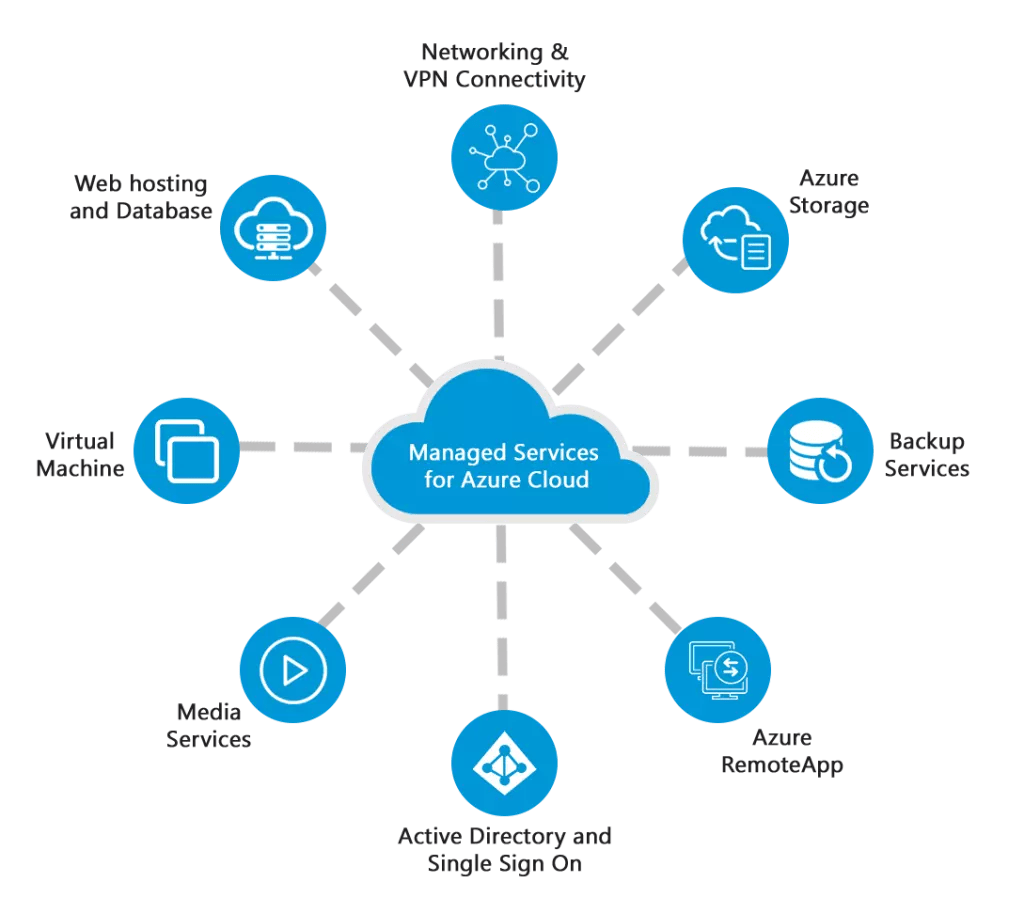
Microsoft Azure Kubernetes Service (AKS) is a managed container orchestration platform that simplifies the deployment, management, and scaling of containerized applications using Kubernetes. As one of the most popular managed Kubernetes offerings, AKS removes much of the complexity associated with running Kubernetes in production.
Core Definition and Purpose
Kubernetes Service (AKS) allows developers and DevOps teams to focus on building applications rather than managing the underlying infrastructure. It automates critical tasks such as cluster provisioning, upgrades, scaling, and health monitoring.
Kubernetes Service (AKS) – Kubernetes Service (AKS) menjadi aspek penting yang dibahas di sini.
- AKS is built on open-source Kubernetes, ensuring compatibility and portability.
- It integrates seamlessly with Azure services like Azure Monitor, Azure Active Directory, and Azure DevOps.
- AKS supports hybrid and multi-cloud deployments through Azure Arc.
“AKS reduces operational overhead by up to 80% compared to self-managed Kubernetes clusters.” — Microsoft Azure Case Study
How AKS Differs from Self-Managed Kubernetes
Running Kubernetes on your own infrastructure requires significant expertise in networking, security, and cluster lifecycle management. AKS abstracts away much of this complexity.
- Master node management is fully handled by Azure, including automatic patching and upgrades.
- Node pools can be scaled manually or automatically based on demand.
- Integrated role-based access control (RBAC) with Azure AD enhances security.
Unlike self-hosted solutions, AKS provides a pay-as-you-go model, making it cost-effective for startups and enterprises alike. You only pay for the worker nodes you deploy, while the control plane is free.
Kubernetes Service (AKS): Key Features and Capabilities
One of the reasons Kubernetes Service (AKS) has gained massive adoption is its rich feature set designed for modern application development and deployment.
Kubernetes Service (AKS) – Kubernetes Service (AKS) menjadi aspek penting yang dibahas di sini.
Automated Cluster Management
AKS automates the provisioning and lifecycle management of Kubernetes clusters. This includes automatic upgrades, health checks, and node pool management.
- Automatic upgrades reduce downtime and security risks.
- Cluster autoscaler adjusts the number of nodes based on workload demand.
- Virtual nodes allow burst scaling into Azure Container Instances (ACI) without pre-provisioning.
This automation ensures that your applications remain available and performant even during traffic spikes.
Integrated Security and Identity
Security is a top priority in any production environment, and Kubernetes Service (AKS) delivers robust built-in protections.
Kubernetes Service (AKS) – Kubernetes Service (AKS) menjadi aspek penting yang dibahas di sini.
- Azure AD integration enables seamless user authentication and fine-grained access control.
- Pod identity allows pods to access Azure resources without storing credentials.
- Network policies and Azure Firewall integration help secure traffic between pods and external services.
Additionally, AKS supports confidential computing and encrypted secrets via Azure Key Vault, ensuring data remains protected at rest and in transit.
Monitoring and Logging with Azure Integration
AKS integrates with Azure Monitor for Containers, providing deep insights into cluster performance and application health.
- Real-time metrics for CPU, memory, and network usage.
- Log analytics for troubleshooting and auditing.
- Custom alerts and dashboards for proactive issue detection.
These tools empower teams to detect anomalies early and optimize resource utilization across environments.
Kubernetes Service (AKS) – Kubernetes Service (AKS) menjadi aspek penting yang dibahas di sini.
Why Choose Kubernetes Service (AKS) Over Other Platforms?
With several managed Kubernetes options available—such as Amazon EKS and Google GKE—why should organizations consider Kubernetes Service (AKS)? The answer lies in its deep integration with the Azure ecosystem and enterprise-grade support.
Seamless Integration with Azure Ecosystem
AKS is not just a standalone service; it’s deeply embedded within the broader Azure platform.
- Direct connectivity to Azure Database for PostgreSQL, MySQL, and Cosmos DB.
- Integration with Azure DevOps for CI/CD pipelines.
- Support for Terraform, ARM templates, and Bicep for infrastructure-as-code (IaC) deployments.
This tight integration reduces configuration overhead and accelerates time-to-market for new features.
Kubernetes Service (AKS) – Kubernetes Service (AKS) menjadi aspek penting yang dibahas di sini.
Hybrid and Multi-Cloud Flexibility
Unlike some competitors, AKS supports hybrid deployments via Azure Arc-enabled Kubernetes, allowing you to manage on-premises, edge, and multi-cloud clusters from a single control plane.
- Consistent policy enforcement across environments using Azure Policy.
- Unified monitoring and logging regardless of deployment location.
- Centralized GitOps workflows using Flux or Azure Arc.
This flexibility makes AKS ideal for organizations undergoing digital transformation or operating in regulated industries requiring on-premises data residency.
Enterprise-Grade Support and SLA
Microsoft offers a 99.9% Service Level Agreement (SLA) for AKS control planes, ensuring high availability and reliability.
Kubernetes Service (AKS) – Kubernetes Service (AKS) menjadi aspek penting yang dibahas di sini.
- 24/7 technical support with multiple tiers based on business needs.
- Access to Microsoft’s global network of data centers.
- Compliance with standards like ISO 27001, HIPAA, GDPR, and SOC 2.
For enterprises, this level of assurance is critical when running mission-critical applications in production.
Setting Up Your First Kubernetes Service (AKS) Cluster
Getting started with Kubernetes Service (AKS) is straightforward, whether you’re using the Azure portal, CLI, or infrastructure-as-code tools.
Step-by-Step Cluster Creation via Azure Portal
The Azure portal provides a user-friendly interface for creating and managing AKS clusters.
Kubernetes Service (AKS) – Kubernetes Service (AKS) menjadi aspek penting yang dibahas di sini.
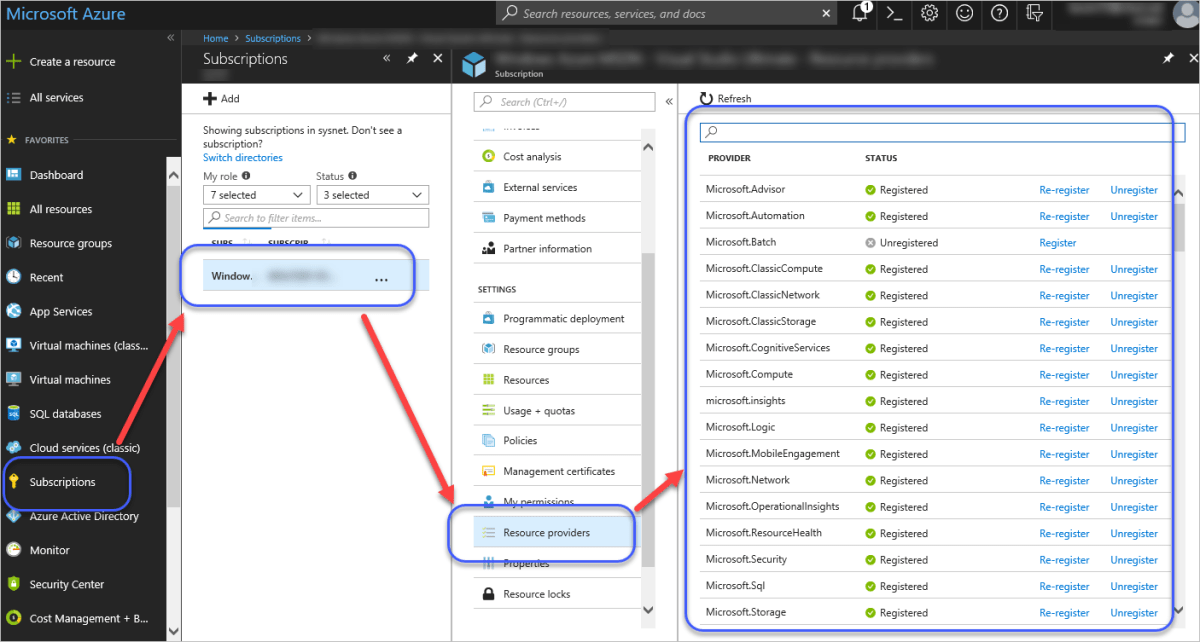
- Log in to the Azure Portal and navigate to “Kubernetes services”.
- Click “Create” and select your subscription and resource group.
- Configure cluster settings: name, region, Kubernetes version, and node size.
- Set up authentication using Azure AD or service principals.
- Enable monitoring and logging during setup.
- Review and create the cluster (deployment takes ~5–10 minutes).
Once deployed, you can access the cluster via kubectl after downloading the kubeconfig file.
Using Azure CLI to Deploy AKS
For automation and scripting, the Azure CLI is a powerful tool.
- Install the Azure CLI and log in using
az login. - Create a resource group:
az group create --name myResourceGroup --location eastus. - Deploy the cluster:
az aks create --resource-group myResourceGroup --name myAKSCluster --node-count 2 --enable-addons monitoring --generate-ssh-keys. - Get credentials:
az aks get-credentials --resource-group myResourceGroup --name myAKSCluster. - Verify connection:
kubectl get nodes.
This method is ideal for DevOps teams integrating AKS into CI/CD pipelines.
Kubernetes Service (AKS) – Kubernetes Service (AKS) menjadi aspek penting yang dibahas di sini.
Infrastructure-as-Code with Terraform
To ensure reproducibility and version control, many teams use Terraform to define AKS clusters.
- Define provider, resource group, and AKS cluster in HCL (HashiCorp Configuration Language).
- Use modules to standardize cluster configurations across environments.
- Apply changes using
terraform applyand integrate with GitHub Actions or Azure Pipelines.
This approach enhances security, auditability, and collaboration across teams.
Kubernetes Service (AKS) Networking Explained
Networking is one of the most complex aspects of Kubernetes, and AKS provides multiple options to suit different use cases.
Kubernetes Service (AKS) – Kubernetes Service (AKS) menjadi aspek penting yang dibahas di sini.
Understanding CNI Options: Azure CNI vs. Kubenet
AKS supports two primary Container Network Interface (CNI) plugins: Azure CNI and Kubenet.
- Azure CNI: Assigns real IP addresses from a virtual network to pods, enabling direct communication with other Azure resources. Best for low-latency, high-throughput scenarios.
- Kubenet: Uses network address translation (NAT) and is simpler to configure. Ideal for smaller clusters with fewer pods.
Choosing the right CNI depends on your scalability needs, IP address management, and integration requirements.
Service Exposure: Load Balancers and Ingress Controllers
Exposing applications to external traffic requires proper configuration of services and ingress.
Kubernetes Service (AKS) – Kubernetes Service (AKS) menjadi aspek penting yang dibahas di sini.
- Azure Load Balancer can be used to expose services externally with a public IP.
- Ingress controllers like NGINX or Application Gateway (via AGIC) route HTTP/HTTPS traffic to services.
- TLS termination and SSL offloading can be handled at the ingress level.
Using Azure Application Gateway Ingress Controller (AGIC) provides advanced routing, WAF protection, and global load balancing.
Private Clusters and Secure Connectivity
For enhanced security, AKS supports private clusters where the API server has no public endpoint.
- API server is accessible only through private IP addresses within a virtual network.
- Private endpoints eliminate exposure to the public internet.
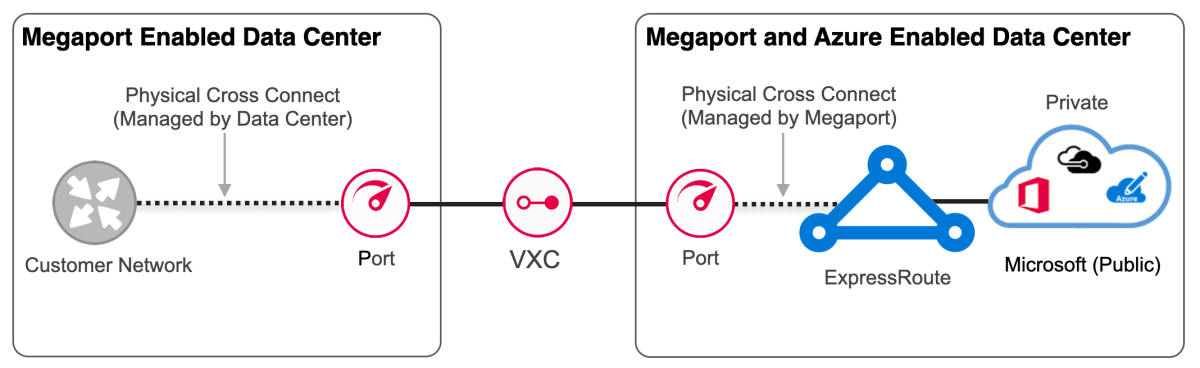
- VPN or ExpressRoute can be used to connect on-premises networks securely.
This setup is crucial for financial, healthcare, and government applications with strict compliance requirements.
Kubernetes Service (AKS) – Kubernetes Service (AKS) menjadi aspek penting yang dibahas di sini.
Scaling and Performance Optimization in Kubernetes Service (AKS)
One of the biggest advantages of Kubernetes Service (AKS) is its ability to scale applications dynamically based on demand.
Cluster Autoscaler: Dynamic Node Management
The cluster autoscaler automatically adjusts the number of nodes in a node pool based on pending pods.
- If a pod cannot be scheduled due to insufficient resources, the autoscaler adds nodes.
- When nodes are underutilized, they are removed to save costs.
- Can be configured per node pool for fine-grained control.
This ensures optimal performance without over-provisioning infrastructure.
Kubernetes Service (AKS) – Kubernetes Service (AKS) menjadi aspek penting yang dibahas di sini.
Horizontal Pod Autoscaler (HPA)
HPA scales the number of pod replicas based on CPU, memory, or custom metrics.
- Configured via Kubernetes manifests or Helm charts.
- Integrates with Prometheus and custom metrics servers for advanced scaling logic.
- Works in tandem with the cluster autoscaler for full-stack elasticity.
For example, an e-commerce app can scale up during Black Friday traffic and scale down afterward automatically.
Spot Instances and Cost Optimization
AKS supports spot virtual machines, which offer up to 90% cost savings compared to on-demand instances.
Kubernetes Service (AKS) – Kubernetes Service (AKS) menjadi aspek penting yang dibahas di sini.
- Ideal for stateless, fault-tolerant workloads like batch processing or CI/CD runners.
- Spot nodes can be mixed with regular nodes in the same cluster.
- Preemption notices allow graceful shutdown of workloads before eviction.
By combining spot instances with autoscaling, organizations can achieve significant cost reductions without sacrificing availability.
Kubernetes Service (AKS): Real-World Use Cases and Success Stories
Organizations across industries are leveraging Kubernetes Service (AKS) to modernize their IT infrastructure and accelerate innovation.
E-Commerce Platform Modernization
A global e-commerce company migrated its monolithic architecture to microservices running on AKS.
Kubernetes Service (AKS) – Kubernetes Service (AKS) menjadi aspek penting yang dibahas di sini.
- Improved deployment frequency from weekly to multiple times per day.
- Reduced latency by 40% using Azure CNI and Application Gateway.
- Handled 5x traffic spikes during holiday sales with auto-scaling.
The transition enabled faster feature releases and better customer experiences.
Healthcare Data Processing with AKS and AI
A healthcare provider used AKS to deploy AI-powered diagnostic tools that process medical imaging data.
- Ensured HIPAA compliance using private clusters and Azure Key Vault.
- Used GPU-enabled node pools for deep learning workloads.
- Integrated with Azure Machine Learning for model training and inference.
This solution reduced diagnosis time and improved accuracy in detecting anomalies.
Kubernetes Service (AKS) – Kubernetes Service (AKS) menjadi aspek penting yang dibahas di sini.
Financial Services and High-Frequency Trading
A fintech firm deployed a low-latency trading engine on AKS with ultra-fast networking.
- Leveraged accelerated networking and SR-IOV for sub-millisecond response times.
- Used Azure Firewall and NSGs for strict network segmentation.
- Implemented GitOps with Flux for auditable, automated deployments.
The system achieved 99.99% uptime and processed millions of transactions daily.
Best Practices for Managing Kubernetes Service (AKS)
To get the most out of Kubernetes Service (AKS), it’s essential to follow proven best practices for security, reliability, and efficiency.
Kubernetes Service (AKS) – Kubernetes Service (AKS) menjadi aspek penting yang dibahas di sini.
Implement GitOps for Continuous Deployment
GitOps treats infrastructure and application configurations as code stored in version-controlled repositories.
- Tools like Flux or Argo CD sync the desired state from Git to AKS clusters.
- Every change is tracked, reviewed, and auditable.
- Rollbacks are fast and reliable by reverting commits.
This approach enhances collaboration, reduces human error, and ensures consistency across environments.
Enforce Security Policies with Azure Policy and OPA
Proactively prevent misconfigurations and vulnerabilities using policy enforcement.
Kubernetes Service (AKS) – Kubernetes Service (AKS) menjadi aspek penting yang dibahas di sini.
- Azure Policy for Kubernetes can audit or block non-compliant resources.
- Open Policy Agent (OPA) with Gatekeeper enables custom validation rules.
- Examples: enforce HTTPS, restrict container images, require resource limits.
These policies help maintain compliance and reduce attack surface.
Optimize Costs with Right-Sizing and Monitoring
Unoptimized clusters can lead to wasted resources and high bills.
- Use Azure Cost Management to track spending by cluster, namespace, or team.
- Right-size node types based on workload requirements (e.g., memory-optimized for databases).
- Set resource requests and limits to prevent resource hogging.
Regular audits and automated alerts help maintain cost efficiency over time.
Kubernetes Service (AKS) – Kubernetes Service (AKS) menjadi aspek penting yang dibahas di sini.
What is Kubernetes Service (AKS)?
Kubernetes Service (AKS) is a managed Kubernetes offering from Microsoft Azure that simplifies deploying, managing, and scaling containerized applications. It handles critical operational tasks like cluster provisioning, upgrades, and monitoring, allowing developers to focus on code.
How much does AKS cost?
Kubernetes Service (AKS) – Kubernetes Service (AKS) menjadi aspek penting yang dibahas di sini.
AKS itself is free—the control plane is provided at no cost. You only pay for the underlying virtual machines (worker nodes), storage, and networking resources you consume. Additional services like monitoring or load balancing may incur extra charges.
Can I run AKS on-premises?
Yes, using Azure Arc-enabled Kubernetes, you can connect and manage on-premises or edge Kubernetes clusters from the Azure portal, applying the same policies, monitoring, and security controls as AKS.
Kubernetes Service (AKS) – Kubernetes Service (AKS) menjadi aspek penting yang dibahas di sini.
How do I secure my AKS cluster?
Secure your AKS cluster by enabling Azure AD integration, using network policies, deploying private clusters, encrypting secrets with Azure Key Vault, and enforcing policies via Azure Policy or OPA. Regular updates and least-privilege access are also crucial.
What’s the difference between AKS and ACS?
Kubernetes Service (AKS) – Kubernetes Service (AKS) menjadi aspek penting yang dibahas di sini.
Azure Container Service (ACS) was Microsoft’s earlier container orchestration service, deprecated in 2018. AKS is its successor, offering full managed Kubernetes with better scalability, security, and integration.
Microsoft Azure Kubernetes Service (AKS) has emerged as a leading platform for organizations embracing cloud-native development. From automated cluster management and robust security to hybrid flexibility and enterprise support, Kubernetes Service (AKS) delivers a comprehensive solution for modern application deployment. By leveraging its powerful features—such as autoscaling, integrated monitoring, and GitOps workflows—teams can achieve faster delivery, higher reliability, and lower operational costs. Whether you’re modernizing legacy systems or building AI-driven applications, AKS provides the foundation to innovate with confidence. As containerization continues to dominate the tech landscape, mastering AKS is no longer optional—it’s essential for staying competitive in the digital era.
Kubernetes Service (AKS) – Kubernetes Service (AKS) menjadi aspek penting yang dibahas di sini.
Recommended for you 👇
Further Reading: