Microsoft Azure isn’t just another cloud platform—it’s a game-changer. With unmatched integration, global reach, and enterprise-grade security, it’s powering the future of digital transformation. Let’s dive into why Azure stands tall.
What Is Microsoft Azure and Why It Matters

Microsoft Azure is a comprehensive cloud computing platform developed by Microsoft, offering over 200 services ranging from virtual machines and AI to IoT and analytics. Launched in 2010 as Windows Azure, it has evolved into one of the top three cloud providers globally, competing directly with AWS and Google Cloud.
The Evolution of Microsoft Azure
Originally introduced as a platform for hosting .NET applications, Microsoft Azure has undergone a dramatic transformation. By 2014, Microsoft rebranded it simply as “Azure” to reflect its expansion beyond Windows-centric services. Today, it supports Linux, open-source frameworks, and hybrid environments, making it a versatile choice for developers and enterprises alike.
- 2010: Launched as Windows Azure, focused on PaaS (Platform as a Service).
- 2014: Rebranded to Microsoft Azure, expanded IaaS (Infrastructure as a Service) offerings.
- 2018: Introduced Azure Arc for hybrid cloud management.
- 2020: Launched Azure Synapse Analytics and strengthened AI/ML capabilities.
- 2023: Expanded sustainability features and AI integrations with OpenAI.
“Azure is not just about technology; it’s about enabling innovation at scale.” — Satya Nadella, CEO of Microsoft
Core Services Offered by Microsoft Azure
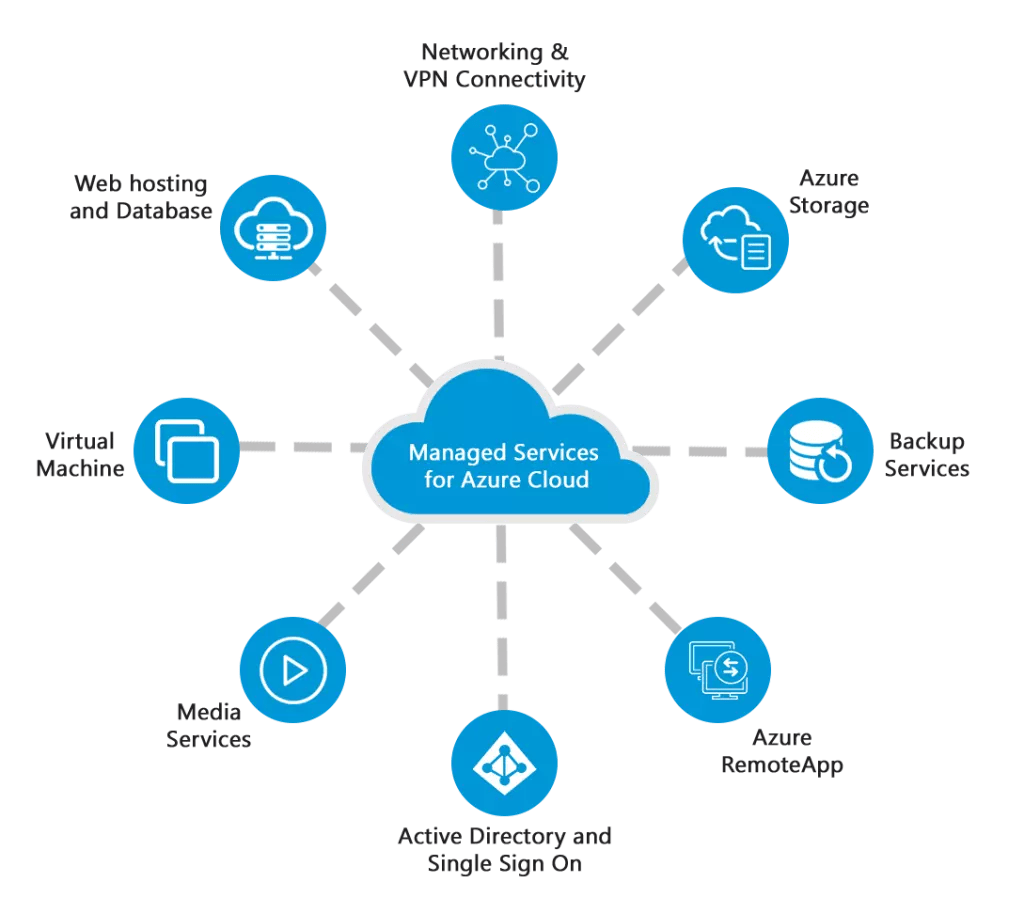
Microsoft Azure provides a vast ecosystem of services categorized into compute, networking, storage, databases, AI, and more. These services empower businesses to build, deploy, and manage applications across a global network of data centers.
- Compute: Virtual Machines, Azure Kubernetes Service (AKS), Functions (serverless).
- Networking: Virtual Network, Load Balancer, Azure DNS, Content Delivery Network (CDN).
- Storage: Blob Storage, Disk Storage, File Storage, Data Lake Storage.
- Databases: Azure SQL Database, Cosmos DB, MySQL, PostgreSQL.
- AI & Machine Learning: Azure Cognitive Services, Machine Learning Studio, Bot Service.
For a full list of services, visit the official Microsoft Azure services page.
Microsoft Azure vs. AWS vs. Google Cloud: A Strategic Comparison
When choosing a cloud provider, businesses often compare Microsoft Azure, Amazon Web Services (AWS), and Google Cloud Platform (GCP). Each has strengths, but Microsoft Azure excels in specific areas, especially for organizations already embedded in the Microsoft ecosystem.
Market Share and Global Reach
According to Synergy Research Group (2023), AWS leads with around 32% market share, followed by Microsoft Azure at 23%, and Google Cloud at 10%. Despite AWS’s lead, Azure is growing faster, particularly in enterprise and hybrid cloud adoption.
- Microsoft Azure operates in 60+ regions worldwide, more than any other cloud provider.
- It offers unique compliance certifications for government and regulated industries.
- Azure’s proximity to on-premises infrastructure makes it ideal for hybrid deployments.
This global footprint ensures low latency and high availability for mission-critical applications.
Integration with Microsoft Ecosystem
One of Microsoft Azure’s biggest advantages is its seamless integration with Microsoft 365, Active Directory, Dynamics 365, and Power Platform. Organizations using Office 365 or Windows Server find Azure a natural extension of their existing IT infrastructure.
- Single sign-on (SSO) via Azure Active Directory simplifies user management.
- Hybrid identity models allow secure access across cloud and on-premises systems.
- Power BI integrated with Azure enables real-time analytics and reporting.
For businesses relying on Microsoft tools, migrating to Azure reduces friction and training costs.
Key Advantages of Using Microsoft Azure
Microsoft Azure isn’t just powerful—it’s practical. Its benefits span cost efficiency, scalability, security, and innovation, making it a top choice for startups and Fortune 500 companies alike.
Cost Efficiency and Flexible Pricing Models
Microsoft Azure offers multiple pricing models, including pay-as-you-go, reserved instances, and spot pricing, allowing businesses to optimize costs based on usage patterns.
- Pay-as-you-go: Pay only for what you use, ideal for variable workloads.
- Reserved VM Instances: Save up to 72% by committing to one- or three-year terms.
- Hybrid Benefit: Use existing Windows Server and SQL Server licenses to reduce costs by up to 55%.
The Azure Pricing Calculator helps estimate monthly expenses before deployment.
Scalability and Performance Optimization
Microsoft Azure enables automatic scaling based on demand. Whether handling a sudden traffic spike or managing seasonal workloads, Azure adjusts resources dynamically.
- Auto-scaling rules can be set for VMs, app services, and Kubernetes clusters.
- Azure Monitor provides real-time performance insights and alerts.
- Content Delivery Network (CDN) reduces latency by caching content globally.
This elasticity ensures high performance without over-provisioning hardware.
Enterprise-Grade Security and Compliance
Security is a top priority for Microsoft Azure. It offers built-in protections, threat detection, and compliance with over 100 global standards, including GDPR, HIPAA, ISO 27001, and FedRAMP.
- Azure Security Center provides unified security management and advanced threat protection.
- Microsoft Defender for Cloud extends security to hybrid and multi-cloud environments.
- Zero Trust architecture is supported through identity verification and least-privilege access.
For detailed compliance information, visit Microsoft’s compliance documentation.
Microsoft Azure for Developers: Tools and Ecosystem
Developers love Microsoft Azure for its robust tooling, open-source support, and DevOps integration. Whether building web apps, mobile backends, or AI models, Azure provides the environment to innovate quickly.
Azure DevOps and CI/CD Pipelines
Azure DevOps is a suite of services that supports continuous integration and continuous delivery (CI/CD), enabling teams to automate testing, deployment, and monitoring.
- Pipelines allow automated builds and releases across multiple environments.
- Repositories (Git-based) support version control and collaboration.
- Boards provide agile project management with sprint planning and backlog tracking.
Integration with GitHub and Jenkins makes Azure DevOps flexible for diverse workflows.
Serverless Computing with Azure Functions
Azure Functions enables serverless computing, where developers run code without managing infrastructure. It’s event-driven and scales automatically.
- Supports multiple languages: C#, JavaScript, Python, Java, and PowerShell.
- Triggers include HTTP requests, timers, blob storage events, and queues.
- Pricing is based on execution time and resource consumption (per million executions).
This model reduces operational overhead and accelerates time-to-market.
AI and Machine Learning Capabilities
Microsoft Azure leads in democratizing AI with accessible tools for developers and data scientists. Azure Machine Learning Studio allows building, training, and deploying models at scale.
- Pre-built AI models via Cognitive Services (vision, speech, language, decision).
- Custom model training with automated ML and MLOps support.
- Integration with OpenAI models like GPT-3.5 and DALL-E through Azure OpenAI Service.
For developers new to AI, Azure offers guided tutorials and templates to get started quickly.
Hybrid and Multi-Cloud Strategies with Microsoft Azure
Not all businesses are ready to go fully cloud-native. Microsoft Azure supports hybrid and multi-cloud strategies, allowing organizations to maintain control while embracing cloud innovation.
What Is Azure Arc?
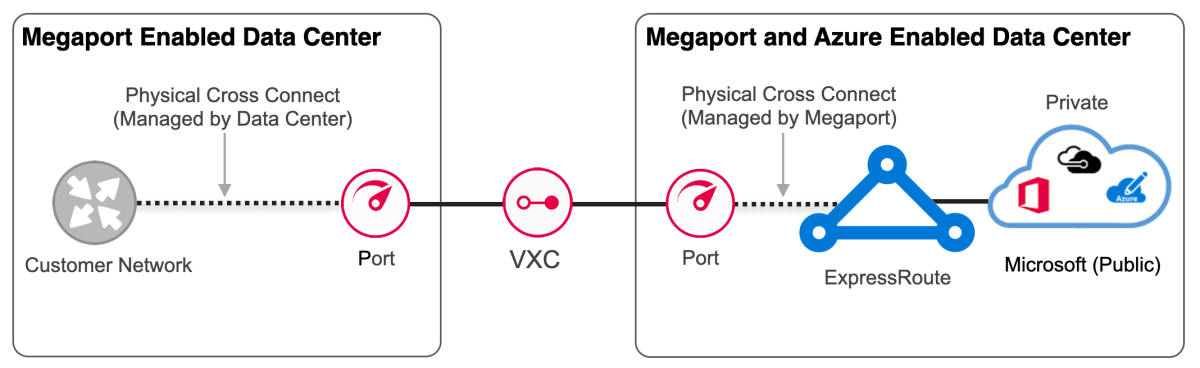
Azure Arc extends Azure’s management capabilities to servers, Kubernetes clusters, and data services running on-premises, in edge locations, or on other clouds.
- Enables consistent policy enforcement and governance across environments.
- Centralizes monitoring and security with Azure Monitor and Defender.
- Supports infrastructure-as-code (IaC) using Terraform and Bicep.
Azure Arc is a cornerstone of Microsoft’s vision for a unified hybrid cloud experience.
Disaster Recovery and Backup Solutions
Microsoft Azure offers robust disaster recovery (DR) and backup solutions to ensure business continuity.
- Azure Site Recovery replicates on-premises VMs and physical servers to Azure.
- Azure Backup provides automated, encrypted backups for VMs, files, and databases.
- Recovery services vaults store backup data with retention policies up to 99 years.
These services are critical for meeting SLAs and minimizing downtime during outages.
Edge Computing with Azure IoT Edge
Azure IoT Edge brings cloud intelligence to edge devices, enabling real-time processing and decision-making without constant cloud connectivity.
- Runs AI, Azure services, and custom logic directly on IoT devices.
- Reduces latency and bandwidth usage for industrial automation and remote monitoring.
- Securely manages edge devices at scale using Azure IoT Hub.
This is especially valuable in manufacturing, healthcare, and transportation sectors.
Microsoft Azure in Enterprise: Real-World Use Cases
Enterprises across industries leverage Microsoft Azure to drive digital transformation. From healthcare to finance, Azure delivers scalable, secure, and innovative solutions.
Healthcare: Securing Patient Data with Azure
Hospitals and clinics use Microsoft Azure to store and analyze electronic health records (EHR) securely.
- Azure Health Data Services enables FHIR-compliant data management.
- AI-powered diagnostics assist radiologists in detecting anomalies.
- Compliance with HIPAA and GDPR ensures patient privacy.
For example, Philips uses Azure to power its health suite, improving patient outcomes through predictive analytics.
Finance: Fraud Detection and Risk Management
Banks and financial institutions deploy Azure to detect fraud and manage risk in real time.
- Azure Stream Analytics processes transaction data instantly.
- Machine learning models identify suspicious patterns and flag potential fraud.
- Azure Blockchain Service enhances transparency in cross-border payments.
JPMorgan Chase uses Azure for its cloud migration strategy, enhancing security and agility.
Retail: Personalization and Omnichannel Experiences
Retailers use Microsoft Azure to deliver personalized shopping experiences across online and physical stores.
- Azure Personalizer uses reinforcement learning to recommend products.
- Dynamics 365 + Azure integrates CRM with inventory and supply chain data.
- Computer vision powers smart checkout systems and shelf monitoring.
Walmart leverages Azure for supply chain optimization and demand forecasting.
Getting Started with Microsoft Azure: A Step-by-Step Guide
Starting with Microsoft Azure is easier than you think. Whether you’re a developer, IT admin, or business leader, this guide will help you take your first steps confidently.
Creating an Azure Account
To begin, visit Azure Free Account and sign up with your Microsoft account. You’ll get $200 in credits for 30 days and access to over 25 always-free services.
- No upfront cost or credit card required for the free tier.
- Free services include 750 hours of VM usage, 5 GB of Blob Storage, and 1 million Function executions per month.
- Perfect for learning, testing, and small projects.
Navigating the Azure Portal
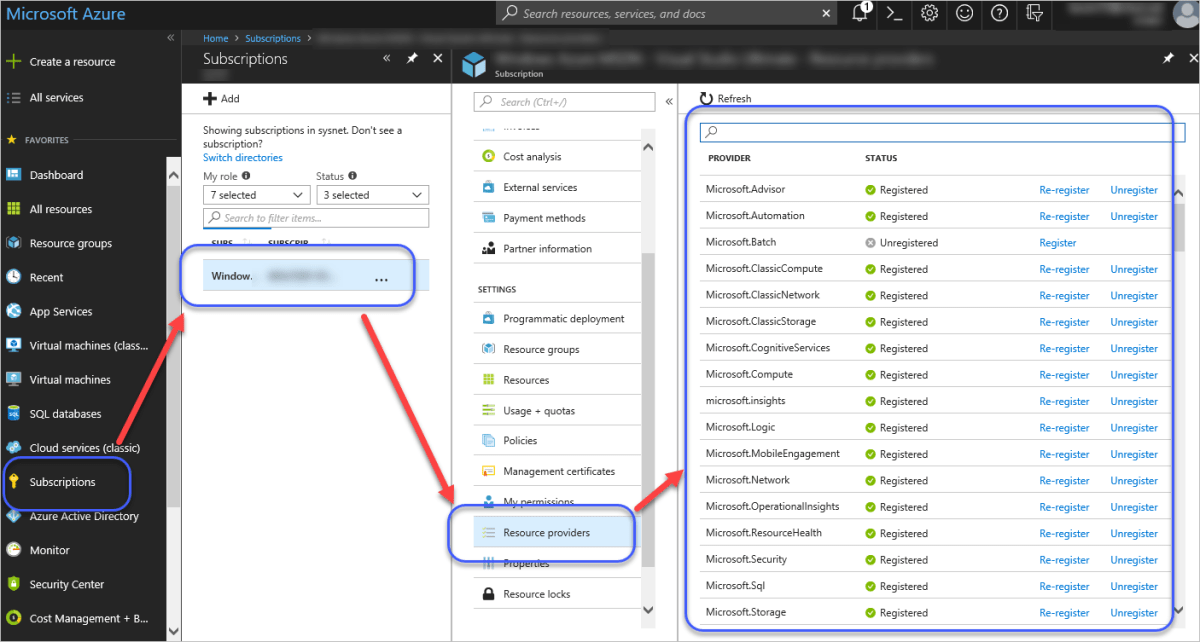
The Azure Portal (portal.azure.com) is the central hub for managing all Azure resources.
- The dashboard provides an overview of costs, alerts, and deployed services.
- Resource groups help organize related components (e.g., VMs, databases, networks).
- Marketplace offers pre-built templates for quick deployment (e.g., WordPress, SAP).
Familiarize yourself with the portal’s layout to streamline future operations.
Deploying Your First Virtual Machine
One of the simplest ways to start is by deploying a virtual machine (VM).
- Click “Create a resource” > “Virtual Machine”.
- Choose an image (Windows, Linux, or custom).
- Select size, configure networking, and set up authentication.
- Review and create—your VM will be ready in minutes.
This VM can host websites, run applications, or serve as a development environment.
Future Trends: Where Is Microsoft Azure Headed?
Microsoft Azure is not standing still. With rapid advancements in AI, sustainability, and quantum computing, Azure is shaping the next generation of technology.
Azure AI and the Rise of Generative AI
The integration of generative AI into Azure is transforming how businesses interact with data and customers.
- Azure OpenAI Service provides enterprise-grade access to large language models.
- Copilot for Azure helps developers write code, debug, and optimize resources.
- AI-powered customer service bots reduce response times and improve satisfaction.
As AI becomes more embedded, Azure positions itself as the go-to platform for ethical and scalable AI deployment.
Sustainability and Green Cloud Initiatives
Microsoft is committed to being carbon negative by 2030, and Azure plays a key role in this mission.
- Azure’s data centers use renewable energy and advanced cooling technologies.
- The Azure Sustainability Calculator helps customers measure their carbon footprint.
- Microsoft’s Climate Vault stores carbon removal credits securely on Azure.
Choosing Azure supports environmental responsibility without sacrificing performance.
Quantum Computing with Azure Quantum
Azure Quantum is a cloud-based quantum computing service that allows researchers and developers to experiment with quantum algorithms.
- Partnerships with companies like IonQ, Quantinuum, and Microsoft’s own quantum hardware.
- Provides tools like Q# (quantum programming language) and simulators.
- Focuses on solving complex problems in chemistry, logistics, and cryptography.
While still in early stages, Azure Quantum represents a bold investment in future computing.
What is Microsoft Azure used for?
Microsoft Azure is used for a wide range of purposes, including hosting virtual machines, running web applications, storing data, building AI models, managing IoT devices, and enabling hybrid cloud environments. It supports businesses in digital transformation by providing scalable, secure, and flexible cloud solutions.
How does Microsoft Azure compare to AWS?
While AWS has a larger market share, Microsoft Azure excels in hybrid cloud integration, enterprise support, and seamless connectivity with Microsoft products like Office 365 and Active Directory. Azure also offers more global regions and stronger compliance certifications for regulated industries.
Is Microsoft Azure free to use?
Microsoft Azure offers a free tier with $200 in credits for 30 days and access to over 25 always-free services. This allows users to explore Azure without upfront costs. After the trial, users can continue with pay-as-you-go pricing or upgrade to paid plans.
Can I use Azure for machine learning?
Yes, Azure provides powerful machine learning tools through Azure Machine Learning Studio, Cognitive Services, and Azure OpenAI Service. These tools enable developers and data scientists to build, train, and deploy AI models at scale, with support for automated ML and MLOps.
What is Azure Arc?
Azure Arc is a service that extends Azure management to on-premises servers, multi-cloud environments, and edge devices. It enables consistent governance, security, and policy enforcement across hybrid infrastructures, making it easier to manage complex IT ecosystems.
Microsoft Azure is more than just a cloud platform—it’s a catalyst for innovation. From seamless Microsoft integration and robust security to cutting-edge AI and sustainability initiatives, Azure empowers organizations to thrive in the digital age. Whether you’re starting small or scaling globally, Azure provides the tools, flexibility, and support to turn ideas into reality. The future of cloud computing is here, and it’s powered by Microsoft Azure.
Further Reading: