Virtual Machines (VMs) have revolutionized how we use computing resources, making systems more flexible, secure, and efficient. Whether you’re a developer, IT admin, or business owner, understanding VMs can unlock powerful advantages for your workflow and infrastructure.
What Are Virtual Machines (VMs)? A Clear Definition

At its core, a Virtual Machine (VM) is a software-based emulation of a physical computer. It runs an operating system and applications just like a physical machine, but it exists entirely within a host system. This allows multiple VMs to run simultaneously on a single physical server, each isolated from the others.




How Virtual Machines (VMs) Work
VMs operate through a software layer called a hypervisor, which sits between the physical hardware and the virtual machines. The hypervisor allocates computing resources—like CPU, memory, storage, and networking—to each VM, ensuring they function independently.
Virtual Machines (VMs) – Virtual Machines (VMs) menjadi aspek penting yang dibahas di sini.
- The hypervisor can be Type 1 (bare-metal), running directly on hardware (e.g., VMware ESXi, Microsoft Hyper-V).
- Or Type 2 (hosted), running on top of an existing operating system (e.g., Oracle VirtualBox, VMware Workstation).
- Each VM has its own virtual hardware, including virtual CPUs, RAM, hard drives, and network interfaces.
“Virtual Machines (VMs) enable the abstraction of hardware, allowing multiple operating systems to coexist on a single physical machine.” — Red Hat, What is a Virtual Machine?
Key Components of a Virtual Machine
Understanding the internal structure of a VM helps in managing and optimizing its performance.
- Guest Operating System: The OS installed inside the VM (e.g., Windows, Linux, macOS).
- Virtual Hardware: Emulated components like NICs, GPUs, and storage controllers.
- VM Image: A file or set of files that contains the VM’s disk state, configuration, and OS.
- Snapshot: A point-in-time copy of the VM’s state, useful for backups and testing.
These components work together to provide a fully functional computing environment without requiring dedicated hardware.
Types of Virtual Machines (VMs): Full vs Para-Virtualization
Not all VMs are created equal. The way they interact with the underlying hardware defines their performance, security, and use cases. The two primary types are full virtualization and para-virtualization.
Virtual Machines (VMs) – Virtual Machines (VMs) menjadi aspek penting yang dibahas di sini.
Full Virtualization
In full virtualization, the guest operating system runs unmodified. The hypervisor completely emulates the underlying hardware, allowing the guest OS to operate as if it were on physical hardware.
- No changes are required to the guest OS.
- High compatibility with various operating systems.
- Slight performance overhead due to hardware emulation.
Examples include VMware vSphere and Microsoft Hyper-V, both widely used in enterprise environments.
Para-Virtualization
Para-virtualization requires modifications to the guest operating system to communicate directly with the hypervisor. This reduces the need for hardware emulation, leading to better performance.
Virtual Machines (VMs) – Virtual Machines (VMs) menjadi aspek penting yang dibahas di sini.
- Requires OS-level cooperation and modifications.
- Lower overhead and higher efficiency compared to full virtualization.
- Used in environments where performance is critical, such as cloud computing platforms.
Xen, a popular open-source hypervisor, is a prime example of para-virtualization in action. It’s used by Amazon Web Services (AWS) in its early EC2 infrastructure.
Top 7 Benefits of Using Virtual Machines (VMs)
The adoption of Virtual Machines (VMs) has surged due to their compelling advantages across industries. From cost savings to enhanced security, here are seven powerful benefits you must know.
1. Resource Optimization and Cost Efficiency
One of the most significant advantages of VMs is the ability to maximize hardware utilization. Instead of running one application per server, multiple VMs can share the same physical machine.
Virtual Machines (VMs) – Virtual Machines (VMs) menjadi aspek penting yang dibahas di sini.
- Reduces the need for physical servers, cutting down on hardware costs.
- Lowers energy consumption and cooling requirements in data centers.
- Enables better ROI on existing infrastructure.
According to a study by VMware, server consolidation using VMs can reduce physical server counts by up to 80%.
2. Enhanced Security and Isolation
Each VM operates in a sandboxed environment, meaning that if one VM is compromised, the others remain unaffected. This isolation is crucial for running untrusted applications or testing software.
- Prevents malware from spreading across systems.
- Allows safe execution of potentially harmful code in a controlled environment.
- Supports compliance with security standards like PCI-DSS and HIPAA.
“Virtualization provides a layer of abstraction that enhances security by isolating workloads.” — IBM, Cloud Virtualization Explained
3. Rapid Deployment and Scalability
VMs can be created, cloned, and deployed in minutes. This agility is invaluable in development, testing, and production environments.
Virtual Machines (VMs) – Virtual Machines (VMs) menjadi aspek penting yang dibahas di sini.
- Templates and snapshots allow consistent and repeatable VM creation.
- Easy scaling by adding new VMs during traffic spikes.
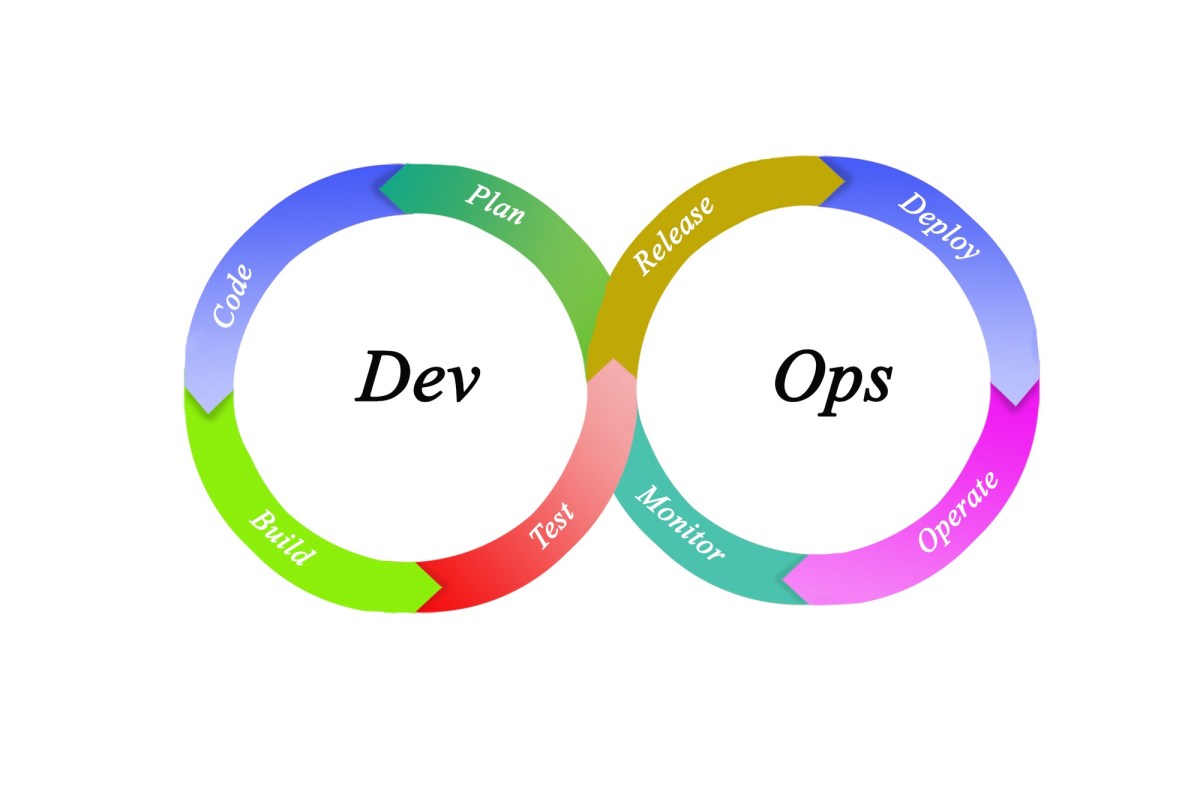
- Supports DevOps practices like CI/CD through automated provisioning.
For example, a developer can spin up a Linux VM to test a web application, tear it down after use, and repeat the process instantly.
4. Simplified Backup and Disaster Recovery
Backing up a VM is as simple as copying its disk image or taking a snapshot. This makes disaster recovery faster and more reliable.
- VM snapshots capture the entire system state, including memory and configuration.
- Backups can be stored offsite or in the cloud for redundancy.
- Disaster recovery plans can be tested without affecting production systems.
Tools like Veeam and VMware Site Recovery Manager streamline this process, ensuring business continuity.
Virtual Machines (VMs) – Virtual Machines (VMs) menjadi aspek penting yang dibahas di sini.
5. Cross-Platform Development and Testing
VMs allow developers to run multiple operating systems on a single machine, enabling cross-platform testing without needing multiple physical devices.
- Test software on Windows, Linux, and macOS from one host machine.
- Simulate different network environments and configurations.
- Ensure compatibility across platforms before release.
This is especially useful for web developers who need to verify browser compatibility across different OS versions.
6. Legacy Application Support
Many organizations still rely on older applications that only run on outdated operating systems. VMs provide a way to keep these systems alive without maintaining obsolete hardware.
Virtual Machines (VMs) – Virtual Machines (VMs) menjadi aspek penting yang dibahas di sini.
- Migrate legacy apps to modern servers via virtualization.
- Extend the life of critical software without costly rewrites.
- Maintain compliance and operational continuity.
For instance, a bank might run a 1990s-era mainframe application inside a VM on a modern data center server.
7. Environmental and Operational Flexibility
VMs offer unmatched flexibility in how and where computing resources are used.
- Enable remote work by hosting VMs in the cloud.
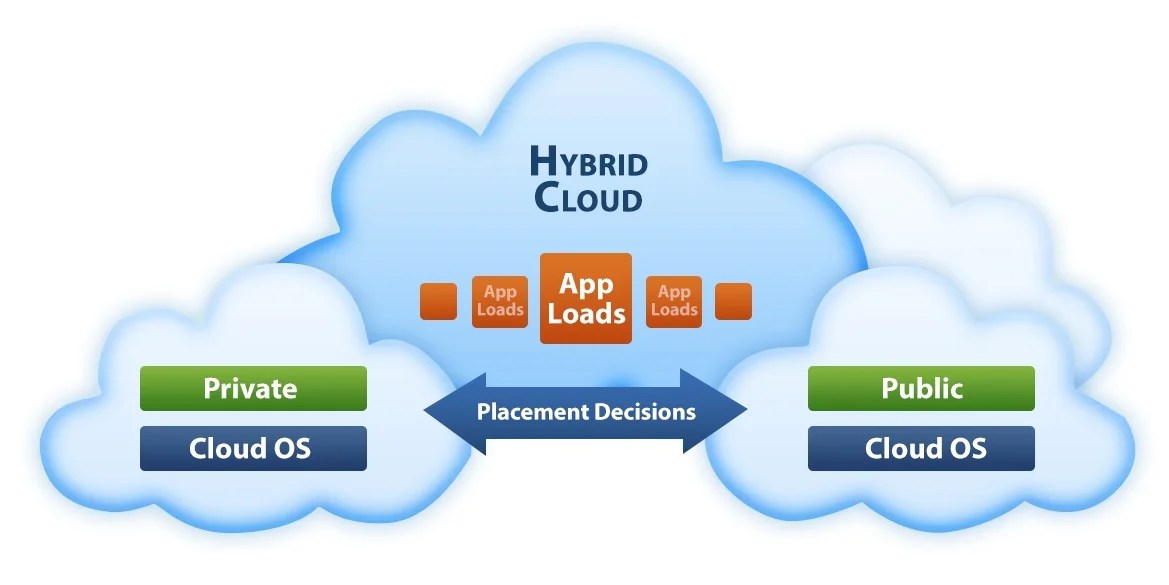
- Support hybrid and multi-cloud strategies.
- Facilitate migration between on-premise and cloud environments.
This flexibility is a cornerstone of modern IT infrastructure, allowing businesses to adapt quickly to changing demands.
Virtual Machines (VMs) – Virtual Machines (VMs) menjadi aspek penting yang dibahas di sini.
Common Use Cases for Virtual Machines (VMs)
Virtual Machines (VMs) are not just theoretical—they are actively used across various industries and scenarios. Understanding real-world applications helps illustrate their value.
Cloud Computing and Hosting Services
Cloud providers like Amazon Web Services (AWS), Google Cloud Platform (GCP), and Microsoft Azure rely heavily on VMs to deliver Infrastructure-as-a-Service (IaaS).
- Users can launch virtual servers on demand.
- Pay only for the resources they consume.
- Scale up or down based on traffic and workload.
For example, AWS EC2 instances are essentially VMs that users can configure with different OS, storage, and networking options.
Virtual Machines (VMs) – Virtual Machines (VMs) menjadi aspek penting yang dibahas di sini.
Software Development and Testing
Developers use VMs to create isolated environments for coding, testing, and debugging.
- Test applications in different OS versions and configurations.
- Simulate production environments locally.
- Use containerized VMs for microservices architecture.
Tools like Vagrant automate VM setup for development teams, ensuring consistency across environments.
Education and Training
VMs are widely used in academic and training settings to teach operating systems, networking, and cybersecurity.
Virtual Machines (VMs) – Virtual Machines (VMs) menjadi aspek penting yang dibahas di sini.
- Students can experiment with different OS without affecting their main system.
- Instructors can distribute pre-configured VMs with labs and exercises.
- Supports hands-on learning in fields like ethical hacking and system administration.
Platforms like Cybersecurity labs often use VMs to simulate attack and defense scenarios.
Challenges and Limitations of Virtual Machines (VMs)
Despite their many advantages, Virtual Machines (VMs) are not without drawbacks. Understanding these limitations helps in making informed decisions.
Performance Overhead
Since VMs run on emulated hardware, they inherently suffer from some performance loss compared to bare-metal systems.
Virtual Machines (VMs) – Virtual Machines (VMs) menjadi aspek penting yang dibahas di sini.
- The hypervisor consumes CPU and memory resources.
- I/O operations (disk and network) can be slower due to virtualization layers.
- Not ideal for high-performance computing (HPC) or real-time applications.
However, advancements in hardware-assisted virtualization (like Intel VT-x and AMD-V) have significantly reduced this gap.
Resource Contention
When multiple VMs run on the same host, they compete for resources like CPU, RAM, and disk I/O.
- Poor resource allocation can lead to “noisy neighbor” issues.
- One VM consuming excessive resources can degrade others’ performance.
- Requires careful monitoring and resource management.
Solutions like resource pooling, quotas, and dynamic allocation help mitigate these issues.
Virtual Machines (VMs) – Virtual Machines (VMs) menjadi aspek penting yang dibahas di sini.
Complexity in Management
As the number of VMs grows, so does the complexity of managing them.
- Requires specialized tools for monitoring, patching, and backup.
- Risk of “VM sprawl” — uncontrolled proliferation of VMs.
- Needs skilled IT personnel to maintain and optimize the environment.
Automation tools like VMware vCenter, Microsoft System Center, and open-source solutions like Proxmox help streamline VM lifecycle management.
Virtual Machines (VMs) vs Containers: Understanding the Difference
With the rise of containerization technologies like Docker and Kubernetes, many wonder how VMs compare. While both enable application isolation, they differ fundamentally in architecture and use cases.
Virtual Machines (VMs) – Virtual Machines (VMs) menjadi aspek penting yang dibahas di sini.
Architecture Comparison
VMs virtualize the entire hardware stack, including the OS, while containers share the host OS kernel but isolate applications at the process level.
- VMs include a full OS, making them heavier and slower to start.
- Containers are lightweight, starting in seconds and consuming fewer resources.
- Containers are ideal for microservices and cloud-native applications.
For example, a single server might run 10 VMs or hundreds of containers.
Use Case Scenarios
The choice between VMs and containers depends on the specific requirements.
Virtual Machines (VMs) – Virtual Machines (VMs) menjadi aspek penting yang dibahas di sini.
- Use VMs when you need full OS isolation, different OS types, or legacy applications.
- Use containers for scalable, portable, and fast-deploying modern applications.
- Many organizations use both: VMs to host container orchestration platforms like Kubernetes.
As noted by Docker, containers offer a more efficient way to package and run applications, but VMs still provide stronger security boundaries.
How to Get Started with Virtual Machines (VMs)
Starting with Virtual Machines (VMs) is easier than ever, thanks to user-friendly tools and abundant resources. Whether you’re a beginner or an enterprise, here’s how to begin.
Choosing the Right Hypervisor
The hypervisor is the foundation of any virtualization setup. Your choice depends on your needs: personal use, development, or enterprise deployment.
Virtual Machines (VMs) – Virtual Machines (VMs) menjadi aspek penting yang dibahas di sini.
- Oracle VirtualBox: Free, open-source, great for learning and personal use.
- VMware Workstation Player: Free for non-commercial use, powerful features for developers.
- Microsoft Hyper-V: Built into Windows Pro and Server editions, ideal for Windows-centric environments.
- Proxmox VE: Open-source platform for enterprise virtualization and container management.
For beginners, VirtualBox is often the best starting point due to its simplicity and cross-platform support.
Creating Your First VM
Once you’ve chosen a hypervisor, creating a VM is straightforward.
- Download an OS ISO file (e.g., Ubuntu, Windows 10).
- Open your hypervisor and select “New VM.”
- Allocate resources (CPU, RAM, disk space).
- Attach the ISO and start the installation.
Within minutes, you’ll have a fully functional virtual computer running inside your host system.
Virtual Machines (VMs) – Virtual Machines (VMs) menjadi aspek penting yang dibahas di sini.
Best Practices for Managing VMs
To get the most out of your VMs, follow these best practices:
- Regularly update guest OS and applications to patch security vulnerabilities.
- Use snapshots before making major changes, but don’t rely on them as backups.
- Monitor resource usage to prevent over-allocation.
- Implement naming conventions and documentation for easy management.
- Automate repetitive tasks using scripts or orchestration tools.
These practices ensure your VM environment remains stable, secure, and efficient.
Future Trends in Virtual Machines (VMs) and Virtualization
While containers and serverless computing are gaining traction, Virtual Machines (VMs) continue to evolve and remain relevant in modern IT landscapes.
Virtual Machines (VMs) – Virtual Machines (VMs) menjadi aspek penting yang dibahas di sini.
Integration with Cloud and Edge Computing
VMs are increasingly being used at the edge to run local workloads with low latency.
- Edge VMs process data closer to the source (e.g., IoT devices, retail systems).
- Hybrid cloud models use VMs for seamless workload migration.
- Cloud providers offer VMs with GPU and AI acceleration for machine learning tasks.
For example, AWS Outposts brings EC2 VMs to on-premise locations for hybrid deployments.
Security-Enhanced Virtualization
As cyber threats grow, VMs are being hardened with advanced security features.
Virtual Machines (VMs) – Virtual Machines (VMs) menjadi aspek penting yang dibahas di sini.
- Confidential computing uses encryption to protect data in use within VMs.
- Microsegmentation isolates VMs at the network level for zero-trust security.
- Secure enclaves (like Intel SGX) provide isolated execution environments.
Microsoft Azure and Google Cloud now offer confidential VMs for sensitive workloads.
Convergence with Container Technologies
The line between VMs and containers is blurring with new hybrid approaches.
- “Firecracker” by AWS powers serverless functions using lightweight VMs.
- Kubernetes can now run VMs alongside containers using projects like KubeVirt.
- Unikernels combine the security of VMs with the efficiency of containers.
This convergence allows organizations to leverage the best of both worlds.
Virtual Machines (VMs) – Virtual Machines (VMs) menjadi aspek penting yang dibahas di sini.
What are Virtual Machines (VMs) used for?
Virtual Machines (VMs) are used for a wide range of purposes, including server consolidation, cloud computing, software development and testing, running legacy applications, cybersecurity training, and creating isolated environments for secure computing.
Are Virtual Machines (VMs) safe to use?
Virtual Machines (VMs) – Virtual Machines (VMs) menjadi aspek penting yang dibahas di sini.
Yes, VMs are generally safe and enhance security through isolation. However, the hypervisor itself can be a target, so it’s important to keep it and the guest OS updated. Avoid downloading untrusted VM images from unknown sources.
Can I run a VM on my personal computer?
Absolutely. You can run VMs on a personal computer using free tools like Oracle VirtualBox or VMware Workstation Player. Ensure your system has sufficient RAM (8GB+ recommended) and a multi-core processor with virtualization support (Intel VT-x or AMD-V).
Virtual Machines (VMs) – Virtual Machines (VMs) menjadi aspek penting yang dibahas di sini.
Do VMs slow down the host computer?
VMs can slow down the host if they consume excessive resources. However, with proper resource allocation and modern hardware, performance impact is minimal. Closing unused VMs and optimizing settings can help maintain host performance.
How do VMs differ from containers?
Virtual Machines (VMs) – Virtual Machines (VMs) menjadi aspek penting yang dibahas di sini.
VMs virtualize the entire hardware and run full operating systems, offering strong isolation. Containers share the host OS kernel and are lighter, faster, and more efficient for running applications. VMs are better for OS-level isolation; containers excel in scalability and speed.
Virtual Machines (VMs) remain a cornerstone of modern computing, offering unmatched flexibility, security, and efficiency. From powering cloud services to enabling developers and protecting legacy systems, their impact is profound. While new technologies like containers are emerging, VMs continue to evolve and adapt, ensuring their relevance in the future of IT. Whether you’re exploring virtualization for the first time or optimizing an enterprise infrastructure, understanding VMs is essential for leveraging today’s digital landscape effectively.
Virtual Machines (VMs) – Virtual Machines (VMs) menjadi aspek penting yang dibahas di sini.
Recommended for you 👇
Further Reading:
