Ever wondered how cloud environments stay secure, isolated, and efficient? The secret lies in Virtual Networks (VNet). These digital backbones power modern cloud infrastructure, enabling seamless communication while maintaining strict security and control—all behind the scenes.
What Are Virtual Networks (VNet)?

Virtual Networks (VNet) are fundamental building blocks in cloud computing that emulate traditional physical networks within a cloud environment. They allow organizations to segment, isolate, and manage their cloud resources just as they would in an on-premises data center—but with far greater flexibility and scalability.
Definition and Core Concept
A Virtual Network (VNet) is a logically isolated section of a cloud provider’s network where you can launch and connect cloud resources like virtual machines (VMs), containers, and managed services. It acts as a virtual data center in the cloud, offering control over IP addressing, routing, and security policies.
Virtual Networks (VNet) – Virtual Networks (VNet) menjadi aspek penting yang dibahas di sini.
Think of it as creating your own private neighborhood in a massive cloud city. While everyone shares the same infrastructure, your VNet ensures your resources live in a secure, private space with controlled access.
Major cloud providers like Microsoft Azure, Amazon Web Services (AWS), and Google Cloud Platform (GCP) offer their own implementations of VNets, each with unique features but similar underlying principles.
How Virtual Networks Differ from Physical Networks
Physical networks rely on tangible hardware—routers, switches, firewalls, and cables. In contrast, Virtual Networks (VNet) are software-defined. They abstract the physical layer, allowing network configurations to be managed through code and APIs.
Virtual Networks (VNet) – Virtual Networks (VNet) menjadi aspek penting yang dibahas di sini.
This shift brings several advantages:
- Agility: Networks can be created, modified, or deleted in minutes, not days.
- Scalability: VNets can grow or shrink dynamically based on demand.
- Cost Efficiency: No need to purchase or maintain physical networking gear.
- Automation: Infrastructure as Code (IaC) tools like Terraform or ARM templates can deploy entire VNets programmatically.
The abstraction also introduces complexity. Misconfigurations in routing tables or security rules can lead to outages or security breaches—making proper design and monitoring critical.
“Virtual Networks (VNet) represent the evolution of networking from hardware-centric to software-defined, enabling unprecedented agility in cloud environments.” — Cloud Networking Expert, Jane Doe
Key Components of Virtual Networks (VNet)
To fully leverage Virtual Networks (VNet), it’s essential to understand their core components. Each element plays a specific role in defining how resources communicate, where they reside, and how they are protected.
Virtual Networks (VNet) – Virtual Networks (VNet) menjadi aspek penting yang dibahas di sini.
Subnets and IP Addressing
Subnets are subdivisions within a VNet that allow you to organize and segment your resources. Each subnet exists within a specific availability zone or region and is assigned a range of private IP addresses using CIDR notation (e.g., 10.0.1.0/24).
By dividing a VNet into subnets, you can:
- Apply different security policies to different tiers (e.g., web, app, database).
- Control traffic flow using route tables.
- Isolate sensitive workloads from public-facing components.
For example, in a three-tier application architecture:
Virtual Networks (VNet) – Virtual Networks (VNet) menjadi aspek penting yang dibahas di sini.
- Frontend subnet: Hosts web servers with public IPs.
- Application subnet: Runs backend services, accessible only from the frontend.
- Database subnet: Stores data, with no direct internet access.
Proper IP planning is crucial. Overlapping IP ranges or insufficient address space can lead to deployment failures or future scalability issues.
Network Security Groups (NSGs) and Firewalls
Security is a top priority in any network, and Virtual Networks (VNet) provide robust tools to enforce it. Network Security Groups (NSGs) act as virtual firewalls that control inbound and outbound traffic at the subnet or individual resource level.
NSGs use rules defined by:
Virtual Networks (VNet) – Virtual Networks (VNet) menjadi aspek penting yang dibahas di sini.
- Source and destination IP addresses
- Port ranges
- Protocol (TCP, UDP, ICMP)
- Action (Allow or Deny)
Rules are evaluated in priority order, and default rules always allow internal traffic within the VNet while blocking unsolicited inbound traffic from the internet.
For more advanced protection, cloud providers offer managed firewalls:
- Azure Firewall: A managed, stateful firewall service with FQDN filtering and threat intelligence.
- AWS Network Firewall: Scalable firewall service for VPCs with deep packet inspection.
- Google Cloud Firewall: Integrates with VPC Service Controls for data protection.
These tools go beyond basic NSGs, offering intrusion detection, URL filtering, and integration with SIEM systems.
Virtual Networks (VNet) – Virtual Networks (VNet) menjadi aspek penting yang dibahas di sini.
Virtual Networks (VNet) in Major Cloud Platforms
While the concept of Virtual Networks (VNet) is universal across cloud providers, each platform implements it differently. Understanding these variations helps organizations choose the right provider and design effective architectures.
Microsoft Azure Virtual Network
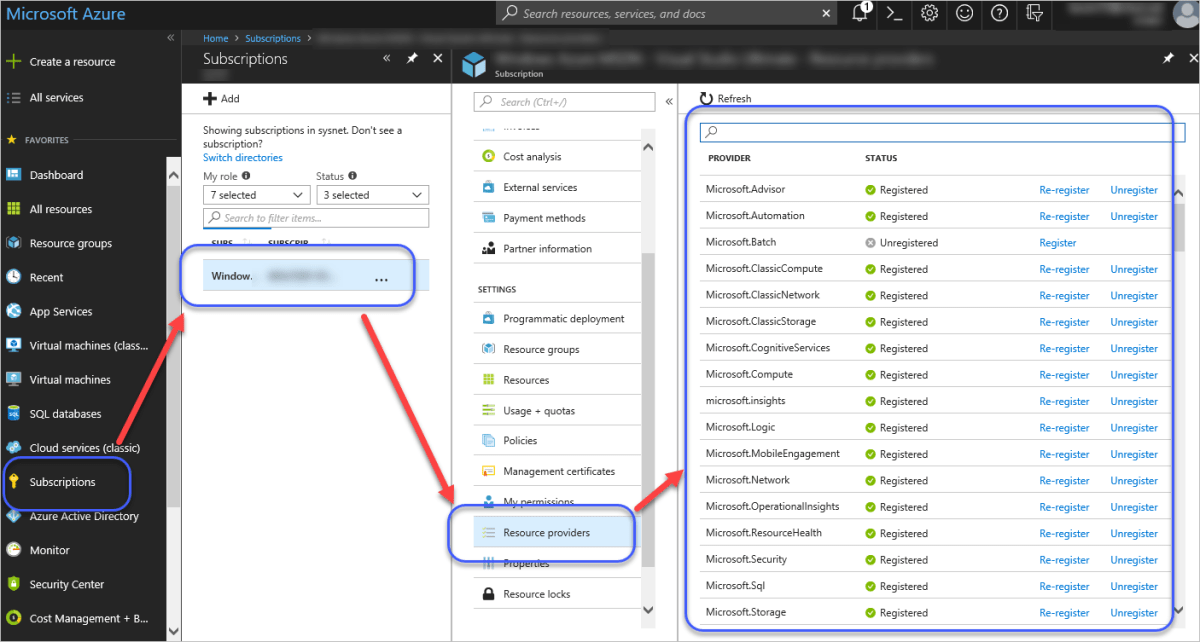
Azure Virtual Network (VNet) is a core networking service that enables secure communication between Azure resources, on-premises systems, and the internet. It supports a wide range of connectivity options, including site-to-site VPNs, ExpressRoute, and peering.
Key features include:
Virtual Networks (VNet) – Virtual Networks (VNet) menjadi aspek penting yang dibahas di sini.
- VNet Peering: Connect VNets within or across regions for low-latency communication.
- Service Endpoints: Securely extend your VNet to Azure services like Storage or SQL Database.
- Private Link: Access Azure PaaS services over a private endpoint, eliminating exposure to the public internet.
- DDoS Protection: Built-in and standard protection against distributed denial-of-service attacks.
Azure also supports user-defined routes (UDRs) and integrates tightly with Azure Active Directory for identity-based access control.
For detailed documentation, visit the official Azure Virtual Network guide.
Amazon VPC (Virtual Private Cloud)
Amazon Web Services (AWS) offers Virtual Private Cloud (VPC) as its implementation of Virtual Networks (VNet). A VPC is a logically isolated section of the AWS cloud where you can launch AWS resources in a virtual network that you define.
Virtual Networks (VNet) – Virtual Networks (VNet) menjadi aspek penting yang dibahas di sini.
Key capabilities of AWS VPC include:
- Subnetting: Divide your VPC into public, private, and isolated subnets.
- Internet Gateway: Enables communication between instances in public subnets and the internet.
- NAT Gateway: Allows instances in private subnets to initiate outbound traffic to the internet without exposing them.
- VPC Peering: Connect two VPCs so that they can communicate using private IP addresses.
- Transit Gateway: A hub that simplifies connectivity between multiple VPCs and on-premises networks.
AWS also provides VPC Flow Logs, which capture information about IP traffic going to and from network interfaces—essential for security monitoring and troubleshooting.
Learn more at the AWS VPC User Guide.
Virtual Networks (VNet) – Virtual Networks (VNet) menjadi aspek penting yang dibahas di sini.
Designing Secure and Scalable Virtual Networks (VNet)
Building a robust Virtual Network (VNet) isn’t just about connecting resources—it’s about doing so securely, efficiently, and with future growth in mind. Poor design can lead to performance bottlenecks, security vulnerabilities, and operational complexity.
Best Practices for VNet Architecture
Designing an effective VNet starts with planning. Here are proven best practices:
- Use a Hierarchical IP Addressing Scheme: Allocate non-overlapping CIDR blocks for different environments (dev, test, prod) and regions.
- Implement a Hub-and-Spoke Model: Centralize shared services (like firewalls and DNS) in a hub VNet, with spoke VNets for applications. This improves security and reduces redundancy.
- Enable Logging and Monitoring: Use flow logs and network watchers to detect anomalies and troubleshoot issues.
- Apply the Principle of Least Privilege: Only allow necessary traffic through NSGs and firewall rules.
- Automate Deployments: Use Infrastructure as Code (IaC) tools to ensure consistency and repeatability.
For example, a financial institution might use a hub VNet to host a next-generation firewall, with peering connections to multiple spoke VNets for trading, customer service, and compliance systems.
Virtual Networks (VNet) – Virtual Networks (VNet) menjadi aspek penting yang dibahas di sini.
Common Design Pitfalls to Avoid
Even experienced architects can make mistakes when designing Virtual Networks (VNet). Common pitfalls include:
- Overlapping IP Ranges: Causes routing conflicts and prevents peering.
- Too Many Open Ports in NSGs: Increases attack surface and violates security policies.
- Ignoring Availability Zones: Deploying all resources in a single zone creates a single point of failure.
- Hardcoding IP Addresses: Makes scaling and migration difficult.
- Not Planning for Growth: Starting with a /28 subnet leaves no room for expansion.
One real-world case involved a startup that launched all services in a single public subnet. When a misconfigured VM was exposed to the internet, it became part of a botnet. Proper subnet segmentation and NSG rules could have prevented this.
“A well-designed VNet is invisible when it works—and catastrophic when it fails.” — Cloud Security Architect, Mark Lee
Connecting Virtual Networks (VNet) Across Environments
In today’s hybrid and multi-cloud world, Virtual Networks (VNet) must extend beyond a single cloud or region. Connecting VNets securely and efficiently is critical for business continuity, disaster recovery, and distributed applications.
Virtual Networks (VNet) – Virtual Networks (VNet) menjadi aspek penting yang dibahas di sini.
VNet Peering and Inter-Region Connectivity
VNet peering allows two VNets to communicate as if they were on the same network, using private IP addresses. It’s available within the same region (local peering) or across regions (global peering).
Key benefits:
- Low Latency: Traffic stays within the cloud provider’s backbone.
- No Gateway Required: Unlike VPNs, peering doesn’t require gateways or public IPs.
- Transitive Connectivity: With some configurations (e.g., Azure Virtual WAN), peering can be transitive through a hub.
However, peering has limitations:
Virtual Networks (VNet) – Virtual Networks (VNet) menjadi aspek penting yang dibahas di sini.
- Peered VNets cannot have overlapping IP ranges.
- Transitive peering is not enabled by default (to prevent routing loops).
- There may be limits on the number of peerings per VNet.
For example, a global e-commerce platform might peer VNets in North America, Europe, and Asia to enable regional data replication and failover.
Hybrid Connectivity: Linking Cloud and On-Premises
Many organizations operate in a hybrid model, where some workloads remain on-premises while others move to the cloud. Virtual Networks (VNet) support several hybrid connectivity options:
- Site-to-Site VPN: Uses encrypted IPsec tunnels over the public internet. Cost-effective but dependent on internet reliability.
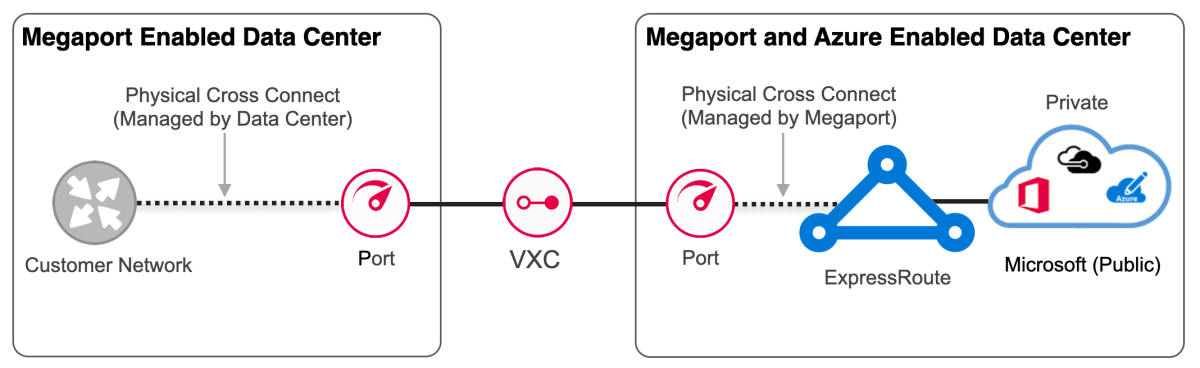
- ExpressRoute (Azure) / Direct Connect (AWS): Private, high-bandwidth connections from on-premises to the cloud. Offers SLAs, lower latency, and better security.
- SD-WAN Integration: Modern solutions like Azure Virtual WAN or AWS Cloud WAN integrate with SD-WAN providers for optimized global connectivity.
Hybrid setups are common in regulated industries like healthcare and finance, where data residency and compliance require certain systems to remain on-premises.
Virtual Networks (VNet) – Virtual Networks (VNet) menjadi aspek penting yang dibahas di sini.
For more on hybrid networking, see Microsoft’s ExpressRoute documentation.
Security and Compliance in Virtual Networks (VNet)
Security is not an afterthought in cloud networking—it must be embedded into the design of Virtual Networks (VNet) from the start. With increasing cyber threats and regulatory requirements, securing VNets is a top priority.
Zero Trust and Micro-Segmentation
The Zero Trust security model assumes no user or device should be trusted by default, even if inside the network. Virtual Networks (VNet) support Zero Trust through:
Virtual Networks (VNet) – Virtual Networks (VNet) menjadi aspek penting yang dibahas di sini.
- Micro-Segmentation: Using NSGs and firewalls to create fine-grained security zones within a VNet.
- Private Endpoints: Accessing services like databases over private IPs instead of public endpoints.
- Identity-Based Access: Integrating with IAM systems to enforce least privilege.
For example, a healthcare provider might use micro-segmentation to ensure that only authorized applications can access patient records, even if they’re in the same VNet.
This approach reduces the attack surface and limits lateral movement in case of a breach.
Compliance and Audit Requirements
Industries like finance, healthcare, and government are subject to strict regulations (e.g., GDPR, HIPAA, PCI-DSS). Virtual Networks (VNet) help meet these requirements by:
Virtual Networks (VNet) – Virtual Networks (VNet) menjadi aspek penting yang dibahas di sini.
- Enforcing Data Residency: Ensuring data stays within specific geographic regions.
- Logging Network Activity: Using flow logs and audit trails for forensic analysis.
- Isolating Sensitive Workloads: Placing regulated systems in dedicated VNets with strict access controls.
- Supporting Encryption: Encrypting data in transit using TLS or IPsec.
Cloud providers offer compliance certifications and tools like Azure Policy or AWS Config to automate compliance checks across VNets.
“In a world of constant threats, Virtual Networks (VNet) are the first line of defense.” — Cybersecurity Analyst, Sarah Kim
Monitoring, Troubleshooting, and Optimization
Even the best-designed Virtual Networks (VNet) require ongoing monitoring and optimization. Performance issues, misconfigurations, and security threats can emerge at any time—making proactive management essential.
Tools for Monitoring VNet Performance
Cloud providers offer powerful tools to monitor network health:
Virtual Networks (VNet) – Virtual Networks (VNet) menjadi aspek penting yang dibahas di sini.
- Azure Network Watcher: Provides connectivity checks, packet capture, and topology visualization.
- Amazon VPC Flow Logs: Captures IP traffic data for analysis in CloudWatch or third-party tools.
- Google Cloud Network Intelligence Center: Offers insights into network configuration and performance.
Third-party tools like Datadog, Splunk, and Palo Alto Networks also integrate with cloud VNets for advanced monitoring and alerting.
Key metrics to monitor include:
- Latency between resources
- Packet loss and retransmissions
- Bandwidth utilization
- Security rule hits and denials
For example, a spike in denied NSG rules might indicate a misconfiguration or a brute-force attack.
Virtual Networks (VNet) – Virtual Networks (VNet) menjadi aspek penting yang dibahas di sini.
Common VNet Issues and How to Fix Them
Despite best efforts, issues arise. Common VNet problems include:
- Connectivity Failures: Caused by incorrect NSG rules, route table misconfigurations, or DNS issues. Use connectivity troubleshooting tools to diagnose.
- High Latency: Often due to traffic routed over the public internet instead of private backbones. Check peering and gateway configurations.
- IP Address Conflicts: Occur when overlapping CIDR blocks are used in peered VNets. Always plan IP space carefully.
- Resource Throttling: NAT gateways or load balancers may hit limits under high load. Scale vertically or use auto-scaling groups.
Regular audits and automated checks can prevent many of these issues before they impact users.
What is a Virtual Network (VNet)?
Virtual Networks (VNet) – Virtual Networks (VNet) menjadi aspek penting yang dibahas di sini.
A Virtual Network (VNet) is a logically isolated network in the cloud that enables secure communication between cloud resources. It provides control over IP addressing, routing, and security, functioning like a private data center in the cloud.
How does VNet peering work?
VNet peering connects two virtual networks so they can communicate using private IP addresses. Traffic flows through the cloud provider’s backbone, offering low latency and high security without requiring gateways or public internet exposure.
Virtual Networks (VNet) – Virtual Networks (VNet) menjadi aspek penting yang dibahas di sini.
Can I connect my on-premises network to a VNet?
Yes. You can connect on-premises networks to a VNet using site-to-site VPNs or private connections like Azure ExpressRoute or AWS Direct Connect, enabling hybrid cloud architectures.
Are Virtual Networks (VNet) secure by default?
Virtual Networks (VNet) – Virtual Networks (VNet) menjadi aspek penting yang dibahas di sini.
While VNets provide isolation, they are not inherently secure. You must configure Network Security Groups, firewalls, and proper routing to enforce security policies and protect against threats.
What’s the difference between a public and private subnet in a VNet?
A public subnet has a route to an internet gateway, allowing resources to communicate with the internet. A private subnet does not have direct internet access, enhancing security for backend systems.
Virtual Networks (VNet) – Virtual Networks (VNet) menjadi aspek penting yang dibahas di sini.
Virtual Networks (VNet) are the invisible engines powering modern cloud infrastructure. From enabling secure communication to supporting hybrid and multi-cloud strategies, they are essential for any organization leveraging the cloud. By understanding their components, design principles, and security features, you can build resilient, scalable, and compliant network architectures. Whether you’re on Azure, AWS, or GCP, mastering Virtual Networks (VNet) is a critical step toward cloud excellence.
Virtual Networks (VNet) – Virtual Networks (VNet) menjadi aspek penting yang dibahas di sini.
Further Reading: